Do’s and Don’ts When You Microwave Stainless Steel
Properly microwaving stainless steel can prevent hazards, but there are crucial do’s and don’ts you need to know before using it.
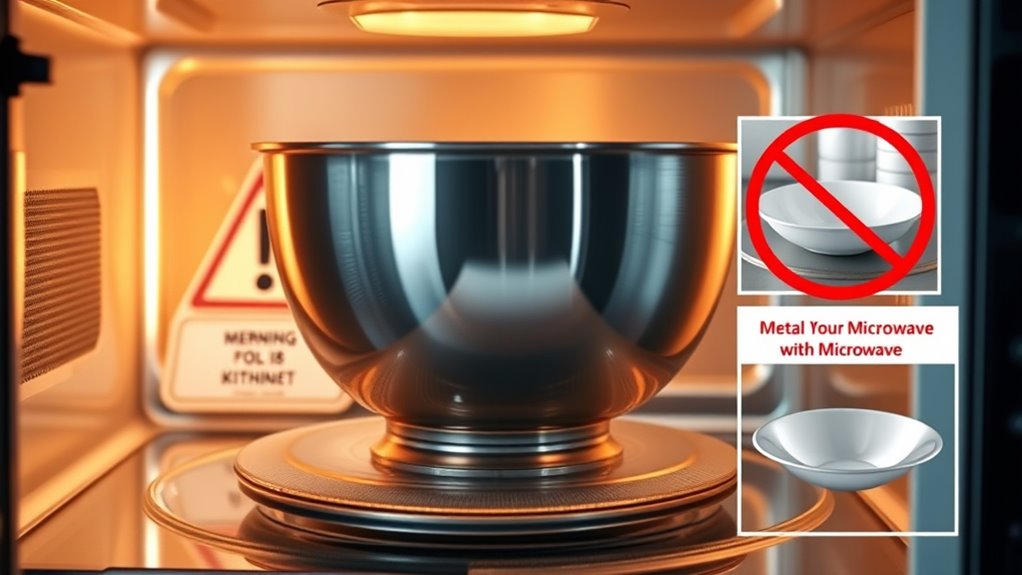
When microwaving stainless steel, avoid using containers with metal trims or sharp edges. Don’t microwave empty containers, as this can cause overheating and fire hazards. Always place food inside to absorb energy. Limit heating to five minutes and inspect for damage beforehand. Never microwave multiple metal containers together, and don’t use airtight lids. Confirm your microwave is clean for peak performance, and by following these practices, you’ll learn how to microwave safely and effectively.
When you consider using stainless steel in the microwave, it’s important to understand both the risks and best practices to guarantee safe heating. Stainless steel is notorious for reflecting microwaves, which can lead to the energy bouncing around and potentially causing arcing, where sparks form. This not only risks damaging your microwave’s internal components but also raises the chance of a fire hazard.
It’s crucial to remember that if stainless steel touches the microwave walls or the door plate, you might see sparks, creating an unsafe environment particularly when the container is empty. Without food to absorb the microwaves, prolonged heating of stainless steel can cause it to overheat dangerously. Microwave ovens use magnetrons to generate microwaves, and if those microwaves interact with metal, it can lead to unpredictable outcomes.
However, certain stainless steel containers are designed specifically for microwave use and certified as microwave-safe. These products typically have structural adjustments to reduce the risk of sparking. Make certain you check for any labels indicating microwave safety; certified containers will often come with strict guidelines regarding heating times and power settings.
Food-grade 304 stainless steel can be safe to use, but it’s critical that these containers don’t have metal trims or sharp edges and lack any electromagnetic shielding that could cause unwanted reflections.
To microwave stainless steel containers safely, start by only using those clearly labeled as microwave-safe. Be cautious with your heating times; limit continuous microwaving to no more than five minutes to avoid overheating.
Always place the container in the microwave’s center to minimize contact with the interior walls, reducing the risk of sparking. Avoid microwaving multiple metal containers at once, as this can increase the likelihood of arcs forming. Finally, remember to remove any airtight or plastic lids before microwaving to prevent pressure buildup, which can be dangerous.
Regularly inspect your stainless steel containers for any cracks, warping, or damage prior to microwaving. Damaged containers can lead to uneven heating and upping the risk of sparks and injury. After use, clean your containers thoroughly to prevent residue buildup that could interfere with their performance.
Follow the manufacturer’s instructions diligently regarding use, cleaning, and heating times for safety and longevity. Also, maintain the cleanliness of your microwave to guarantee even energy absorption and safe cooking.
Always ascertain that food or liquid is present inside the container while microwaving. Stirring the food or rotating the container halfway through the heating process can promote more even temperature distribution.
Consider using a food thermometer to verify that your food reaches safe internal temperatures. When heating, cover your food with microwave-safe lids or splatter guards to maintain moisture and reduce mess.
Finally, avoid overheating either the food or the containers to prevent hazardous hotspot formation and potential damage. Following these do’s and don’ts when microwaving stainless steel can help you use it safely and effectively.
Conclusion
To sum up, while it might be tempting to pop your stainless steel items in the microwave, think twice before you do. Remember, the risks aren’t just sparks flying; they can lead to costly damages or even safety hazards. Always opt for microwave-safe materials instead. Isn’t it better to prioritize safety and convenience than to face a potential kitchen disaster? Follow the do’s and don’ts, and you’ll keep your meals hot without any unwanted surprises lurking in the microwave.