Understanding Honey Packets and Their Meaning and Uses
Get ready to explore the hidden dangers and surprising benefits of honey packets that could change the way you sweeten your life forever.

Honey packets serve as convenient sweeteners for food and drinks, but they also carry risks. Some, like Royal Honey VIP, may contain hidden drugs such as tadalafil, posing serious health hazards. Additionally, industrial honey production impacts bee populations, essential for ecological balance. While honey has recognized benefits, such as antibacterial properties, it's vital to stay informed about potential allergens and misbranding issues. There's more to uncover about honey packets and their effects on health and the environment.
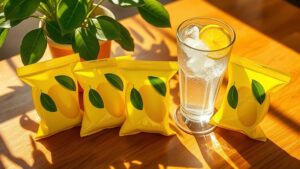
Honey packets serve dual purposes in today's market, embodying both a natural sweetener and a controversial product linked to sexual enhancement. On one hand, you have the traditional use of honey packets as convenient sugar substitutes in cafes or restaurants. These packets allow you to sweeten your tea or drizzle over your breakfast with ease.
Honey packets blend the roles of a natural sweetener and a controversial product associated with sexual enhancement.
On the other hand, terms like "honey packets" have taken on a more dubious connotation, particularly with the emergence of products like Royal Honey VIP, which claim to enhance sexual performance. Royal Honey VIP is marketed as a natural product, but it raises significant concerns. The packet may seem innocuous, yet it often contains tadalafil, a pharmaceutical compound found in erectile dysfunction medications. This hidden ingredient poses serious health risks, especially for individuals unaware of its presence. Royal Honey VIP is identified by the FDA during international mail shipment examination to ensure consumer safety.
The FDA has issued warnings against using such products because they can lead to adverse health effects, including dangerous interactions with other medications. Misbranding is a prevalent issue here; the alluring packaging may lead you to believe you're consuming a harmless sweetener when, in fact, you're ingesting a drug.
In terms of safety, honey as a sweetener has its own set of concerns. You should avoid giving honey to infants under one year due to the risk of botulism. Additionally, some individuals may experience allergic reactions, particularly if they've pollen sensitivities.
While honey can provide benefits like cough relief and antibacterial properties for wound healing, excessive consumption can impact blood sugar levels and may trigger interactions with certain medications.
Beyond its culinary use, honey has deep-rooted cultural and medicinal significance. Various societies have historically employed honey for its soothing properties, both in culinary applications and traditional medicine.
Its recognition as a potent natural remedy is being validated by modern studies, further solidifying its place in health-conscious diets. However, when packaged incorrectly, as seen with Royal Honey VIP, these benefits become overshadowed by risks.
Moreover, the environmental implications of honey production deserve attention. Industrial beekeeping often leads to the decline of bee populations, which are essential for pollination and maintaining ecological balance.
Practices that favor non-native bee species can threaten local biodiversity. As a result, preserving natural habitats is vital to sustain bee populations, ensuring that both traditional honey uses and its ecological role remain intact.
Conclusion
To sum up, honey packets are more than just a convenient sweetener; they symbolize sustainability and the natural world. Did you know that over 75% of the world's crops rely on pollinators like bees? By choosing honey, you're not just enhancing your food; you're supporting the environment and promoting biodiversity. Next time you reach for that little packet, remember its significance and the crucial role it plays in our ecosystem. Your choices can make a difference.