How to Identify the 7 Different Types of Water and Their Uses
Understand the seven distinct types of water and their crucial roles in our lives—discover which ones are essential for your needs.
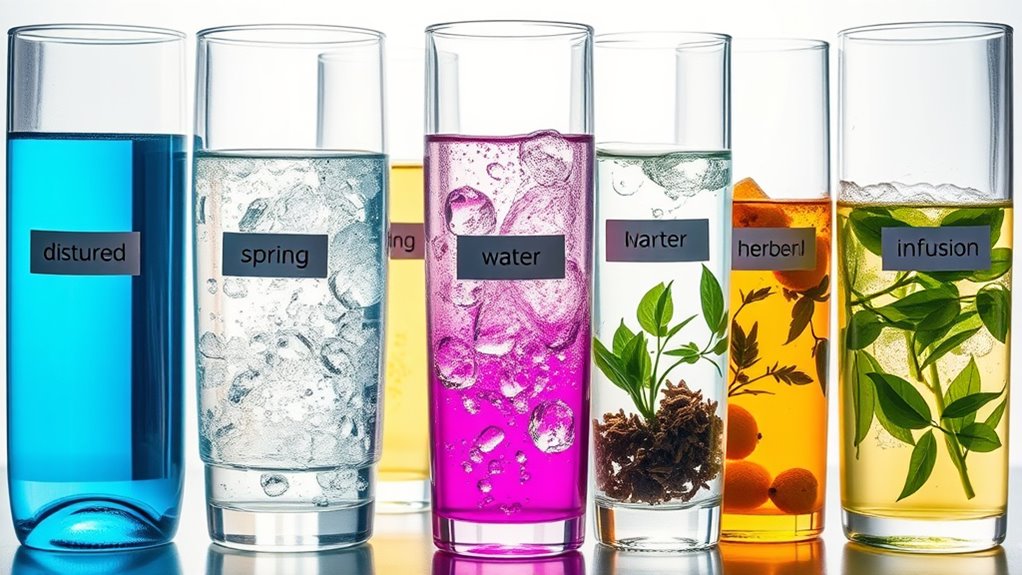
To identify the seven different types of water—potable, freshwater, saltwater, brackish water, groundwater, distilled water, and soft water—observe their characteristics and impurities. Potable water is fit for drinking; freshwater supports ecosystems; saltwater’s high salinity is unsuitable for drinking; brackish water occurs where fresh and saltwater meet. Groundwater is found in aquifers, while distilled water is purified through boiling, and soft water has low minerals. Each type serves unique purposes, and exploring further reveals their applications and importance.
When you think about water, it’s easy to assume all types are the same; however, understanding the various classifications can greatly impact its use and quality. Identifying different types of water involves considering both its source and composition, which can influence its suitability for various applications. You’ve likely encountered terms like potable and freshwater; knowing how these categories differ is essential for guaranteeing the right type is used in your daily life.
Potable water is necessary for drinking, cooking, and personal hygiene. It meets stringent health standards, affirming safety for human consumption. This type is commonly found in municipal tap water, which undergoes extensive treatment to remove contaminants.
Potable water is essential for daily activities, ensuring safety for consumption through rigorous treatment processes.
Freshwater is another significant category, characterized by its low salt concentration and found in natural sources like rivers and lakes. This type of water is critical for ecosystems and serves as the primary source for drinking water. In contrast, saltwater, mainly from oceans, has a high salinity and is unsuitable for drinking without treatment. Brackish water, possessing intermediate salinity, typically exists in estuaries, blending freshwater and seawater, and has its own unique uses.
Groundwater, stored in aquifers beneath the earth’s surface, is classified by the Environmental Protection Agency (EPA) based on its potability. The quality of groundwater can vary dramatically, influenced by geological composition and potential contamination sources. In practical terms, understanding the groundwater source can help determine its safety for consumption and agricultural use.
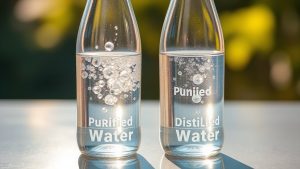
When considering water types based on treatment and purity, distilled water stands out. This method purifies water through boiling and condensation, resulting in a mineral-free liquid that’s invaluable in laboratory and medical contexts.
Soft water, which has low levels of calcium and magnesium ions, benefits household appliances by reducing scale buildup, thereby enhancing efficiency and longevity. Conversely, hard water, rich in minerals, affects soap lather and may impede appliance functionality.
For highly sensitive applications, ultrapure water, which contains minimal ions and organic compounds, is often required in critical laboratory settings. Similarly, water produced through reverse osmosis effectively reduces dissolved solids, making it another refined choice for those demanding high purity.
Analyzing water quality involves evaluating physical, chemical, biological, and conductivity parameters. Physical parameters like turbidity and color provide a snapshot of general conditions, while chemical aspects—such as pH and hardness—reveal the water’s makeup and potential contaminants. Biological parameters are critical for evaluating health risks, indicating the presence of harmful organisms. Electrical conductivity and total dissolved solids (TDS) measurements further aid in distinguishing between freshwater, brackish, and saltwater.
Finally, using proper identification methods of water types helps you make informed decisions. Whether you’re concerned about hydration, agricultural practices, or industrial applications, knowing the distinctions between various water types guarantees you’re utilizing the most suitable and safe option.
Conclusion
In conclusion, identifying the seven different types of water—tap, distilled, spring, mineral, well, rain, and seawater—helps you make informed choices for various uses in daily life. Whether you’re sipping a revitalizing glass of spring water or using distilled water for electronics, each type serves its unique purpose. Just like an ancient alchemist knew the value of each element, recognizing these water types can enhance your hydration and utility. So, stay aware and drink wisely!