What Is Filtered Water and Its Benefits?
Looking to improve your hydration? Discover the surprising benefits of filtered water and how it can transform your health and well-being.
Filtered water is a purified form of drinking water that removes impurities while keeping essential minerals intact. It enhances water quality, improves taste, and offers health benefits by eliminating harmful substances like heavy metals and bacteria, reducing the risk of waterborne illnesses. Economically, it's more cost-effective than bottled water and promotes environmental sustainability by cutting plastic waste. Additionally, its unique filtration technologies guarantee safety and quality. Keep exploring to uncover more about its advantages and features.
Filtered water plays an essential role in enhancing the quality of what you drink. By utilizing filtration processes, you can effectively remove impurities that compromise water quality, allowing for a safer and more enjoyable drinking experience. Filtration employs various methods, including physical, chemical, and biological processes, to target specific contaminants. Common types of filters include activated carbon, ceramic, and sediment filters, each designed to tackle different impurities, such as chlorine, sediment, heavy metals, and bacteria. The result is water that not only tastes better but also smells fresher, enhancing your overall hydration experience.
The health benefits of filtered water are considerable. One of the primary advantages is the removal of harmful substances, including heavy metals and bacteria, which can pose serious health risks. Unlike distilled or purified water, filtered water retains beneficial minerals that contribute to your overall well-being. This makes it a healthier alternative to unfiltered tap water, especially in areas where water quality may be questionable. By reducing the risk of waterborne illnesses, filtered water can lower your chances of infections and provide peace of mind regarding what you consume. Additionally, filtering your water minimizes exposure to harmful chemicals, contributing to a healthier lifestyle.
Filtered water removes harmful substances while retaining beneficial minerals, making it a healthier choice for hydration and overall well-being.
Economically, filtered water offers several advantages that can positively impact your budget and the environment. Switching to a filtration system can be a cost-effective solution, as it considerably reduces spending on bottled water over time. With the rising concern about plastic waste, using a filtration system also promotes environmental sustainability by decreasing the amount of plastic that ends up in landfills and oceans. Clean drinking water is vital for survival situations, making access to filtered water even more critical.
The convenience of having access to clean water at home can't be overstated, as it encourages regular hydration without the hassle of purchasing bottled water. Long-term savings from filter replacements are often less than the continuous costs associated with bottled water, making it a financially sound choice.
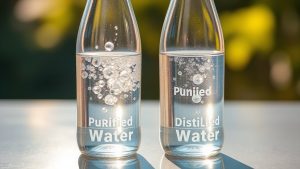
When you compare filtered water to other types, such as distilled or purified water, the differences are evident. Filtered water retains essential minerals that are beneficial for health, while distilled water completely removes these minerals. Purified water, on the other hand, eliminates virtually all contaminants, including minerals, which can be important for everyday use, such as cooking and beverage preparation. Filtered water is often more suitable for daily consumption, as it enhances the flavors of food and beverages.
The adoption of filtration technologies, such as activated carbon and reverse osmosis systems, plays a vital role in maintaining water quality. Activated carbon filters excel at removing chlorine and organic compounds, while ceramic filters effectively combat bacteria and viruses.
The convenience of having filtered water at your fingertips not only improves hydration but also supports local communities by encouraging sustainable practices. By relying less on single-use plastics and promoting better water access, you contribute to a healthier environment and society overall.
Conclusion
To sum up, filtered water offers a cleaner, safer alternative to tap water, removing contaminants and improving taste. By investing in a filtration system, you're not just quenching your thirst; you're ensuring your health is well taken care of. With the benefits of better hydration and potential long-term savings, you'll find that a little effort now can pay off down the line. So, don't wait for the water to flow under the bridge—make the switch today!