Is Purified Water Bad for You?
Wondering if purified water is harmful? Discover the surprising effects and essential minerals you might be missing out on.

Purified water isn't inherently bad for you, but it does come with some pros and cons. It's safe to drink and helps with hydration, often exceeding safety standards. However, it lacks essential minerals like calcium and magnesium, which can lead to deficiencies. If your tap water is safe, sticking with it might be better due to its mineral content. Understanding these factors can help you make informed choices about your water. Discover more about its effects and alternatives.
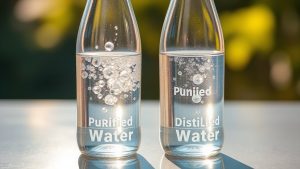
Is purified water actually bad for you? This question often arises in health discussions, especially as more people turn to purified water for hydration. On one hand, purified water is stripped of contaminants, making it safe to drink and supporting your body's hydration needs and overall functions. However, relying solely on purified water can lead to some potential health pitfalls.
When you drink purified water, you're typically consuming water that's free from impurities and harmful substances. This can be particularly beneficial in areas where tap water quality is questionable. But here's where you need to be cautious: purified water often lacks necessary minerals like calcium and magnesium, which are fundamental for your health. If you consume it exclusively, you might miss out on these important nutrients, potentially leading to health issues over time. Additionally, access to clean water significantly reduces the risk of water-borne illnesses, highlighting the importance of water quality.
Moreover, while purified water aids in dissolving nutrients for better absorption, it can actually disrupt the process if it's stripped of minerals. For instance, some populations have experienced issues like goiter due to a lack of iodine, which can occur with mineral-free drinking water. You may find that your body absorbs nutrients more effectively when drinking water with a balanced mineral content.
So, while purified water has its benefits, it shouldn't be your only source of hydration.
Environmental considerations also play a role in this conversation. The processes used to purify water consume energy and resources, and over-reliance on these systems can strain the environment. Additionally, if filtration systems aren't maintained properly, harmful substances can accumulate, countering the very benefits you seek. You'll want to guarantee you're practicing sustainable habits when it comes to water purification.
Taste preferences can influence your hydration choices, too. Purified water tends to have a cleaner, neutral taste, which many people enjoy. However, the absence of minerals can make some purified water less appealing to others. It's important to find a balance that works for you, as enjoying what you drink can encourage better hydration habits.
In comparison to tap water, purified water often meets or exceeds international safety standards. However, tap water can contain beneficial minerals that purification removes. Depending on your local water quality regulations, tap water may actually be a healthier option for some. The choice between purified and tap water really depends on your specific circumstances.
Ultimately, while purified water isn't inherently bad for you, it's important to be mindful of its limitations. Make sure you're getting minerals from other sources to maintain peak health. Staying informed and making conscious choices about your water consumption can help you harness the benefits of purified water while avoiding potential downsides.
Conclusion
While purified water offers a clean, safe option free from contaminants, it's important to take into account that it may lack crucial minerals found in spring or tap water. Striking a balance is key; you want hydration without sacrificing nutrients. So, if you're reaching for purified water, make certain you're also getting important minerals from other sources. In the end, your health thrives on variety, and understanding what you consume can make all the difference in your well-being.