What Does Cactus Taste Like When You Identify Edible Varieties by Flavor
Unlock the intriguing flavors of edible cacti and discover which varieties tantalize your taste buds in ways you never imagined.

Cactus varieties boast a spectrum of enticing flavors. The prickly pear offers a mild, pleasant taste, while the Peruvian apple cactus resembles sweet sugarcane with a satisfying crunch. You’ll find dragon fruit light and invigorating, akin to melon. Sweet, pineapple-like barrel cactus fruits are worth the labor they require. For a touch of history, try the hedgehog cactus, or explore the nutritious cholla flowers. Each variety brings unique culinary possibilities, inviting you to discover even more exciting options.
When you explore the world of cactus, you’ll discover a surprising array of flavors and textures that elevate culinary experiences. One of the most well-known varieties is the Prickly Pear Cactus, also called opuntia or Indian fig. Its wide, flat pads and vibrant red fruit provide a mild, pleasant taste that shines in both raw and cooked applications. Edible cacti have been incorporated into indigenous and regional cuisines, showcasing their importance in diverse food traditions. Many types of edible cacti exist, adding a rich dimension to the culinary landscape.
Whether you’re tossing the juicy tunas into salads or blending them into smoothies, these fruits enhance your dishes with their invigorating quality, a true delight popular in Mexico and the American Southwest.
Next, you may encounter the Peruvian Apple Cactus, which differentiates itself with a fluffy, crystalline texture, setting it apart from its scaly cousin, the dragon fruit. The mild flavor resembles sugarcane, creating a pleasant crunch that simply begs to be sampled.
You can eat its purple, red, or yellow fruits raw or use them to enrich your smoothies and salads. Each bite reveals a smooth, spherical exterior enclosing edible seeds, making it a delightful addition to any meal.
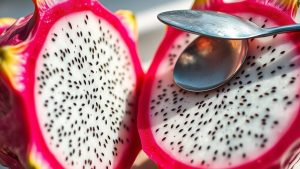
Speaking of dragon fruit, this striking cactus brings color and cheer wherever it appears. With a brightly colored exterior and juicy interior, its flavor profile resembles that of melon—light and invigorating.
When you slice into one of these tropical treasures, you’ll find numerous small black seeds providing a pleasant textural contrast. Whether consumed fresh or used in beverages, dragon fruit tantalizes your taste buds and is increasingly becoming a staple on restaurant menus across the region.
Don’t overlook the Barrel Cactus, known for its small, pineapple-like fruits. Though the harvesting process might be a bit labor-intensive, the sweet and tasty flavor makes the effort worthwhile.
Available both raw and cooked, the fruits from this cactus type offer unique culinary experiences, especially for those residing in warm, arid climates.
The Hedgehog Cactus is another gem, producing red, fleshy fruit that blooms with bright pink flowers. This cactus has a long history of consumption among indigenous populations in the American Southwest and northern Mexico.
You can eat the fruit raw or even boil it for different flavor profiles. Its vibrant fruits and buds rank high on the list of traditional food sources, ensuring you can enjoy a taste of history with every bite.
Cholla Cactus introduces another layer to your culinary endeavors. The flowering buds stand out for their high calcium content, offering nutritional benefits alongside their distinct flavor.
Available in the southwestern United States and Mexico, these flowers hold potential for use beyond the standard cactus fruit, showcasing the versatility of cactus in your kitchen.
Lastly, the Organ Pipe Cactus bears large fruits recognized for their versatility. Suitable for both raw eating and cooked explorations, these fruits belong to the Stenocereus genus, celebrated for their nutritional value.
You can discover various preparation techniques that yield delicious results, making organ pipe fruits an exciting option in your culinary adventures.
Exploring these edible varieties opens up a world of flavor that’s as diverse as it’s delightful!
Conclusion
In the grand tapestry of flavors, cactus offers a vibrant thread, weaving its unique taste into culinary creations. From the invigorating crunch of nopales to the sweet, fruity notes of prickly pear, these edible varieties can elevate any dish to new heights. By embracing the rich diversity of cacti, you’re not just savoring their distinct flavors but also connecting with a cultural legacy that nourishes both body and soul. So, dig in and let your palate explore this prickly delight!