What Does “In Vino Veritas” Mean?
How does the ancient phrase “in vino veritas” reveal the hidden truths behind our social interactions and artistic expressions? Discover its intriguing implications.
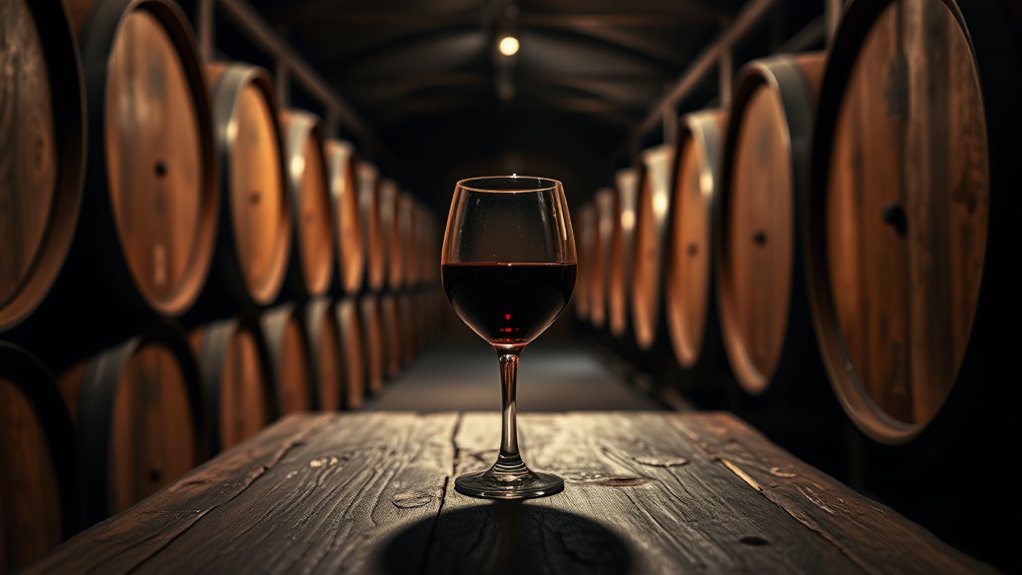
"In vino veritas," a Latin phrase meaning "in wine, there is truth," reflects a common belief that alcohol encourages honesty. This idea spans cultures and history, suggesting that intoxication can lower social inhibitions and coax genuine expression. You'll often find characters in literature, from Aristotle to Shakespeare, revealing their true selves when under the influence. As you explore further, you'll uncover how this concept intertwines with psychology, social rituals, and artistic representations throughout the ages.
The phrase "in vino veritas," which translates to "in wine, there's truth," captures a fascinating intersection of culture, psychology, and social dynamics. This New Latin expression dates back to the 16th century, where its popularity surged thanks to Erasmus's *Adagia*. You might find it intriguing how this simple phrase encompasses centuries of thought across various cultures, suggesting that under the influence of alcohol, people are more likely to disclose their true thoughts and feelings.
When you explore the historical roots of this saying, you discover that similar ideas were already present in ancient Greek literature. Interestingly, Aristotle hinted at the loosening effects of wine, while Pliny the Elder's *Naturalis historia* touches on the concept of truth emerging under intoxication. These early references reveal a long-standing belief that alcohol acts as a social lubricant, stripping away the layers of inhibition that often guard our innermost reflections.
The meaning of "in vino veritas" extends beyond mere intoxication; it speaks to a universal phenomenon. Across cultures, phrases echoing this sentiment exist, indicating a shared understanding of alcohol's role in revealing honesty. In Japan, for instance, business meetings often incorporate drinks as a means to gauge sincerity. This cultural practice underscores how deeply ingrained the idea is that alcohol can lead to more candid exchanges.
The concept of "in vino veritas" transcends cultures, revealing how alcohol fosters honesty and sincerity in communication.
You might also notice how this concept manifests in literature and art, where characters often reveal critical truths while under the influence. Shakespeare frequently employed this motif, allowing his characters to express their hidden agendas and feelings in a drunken state. Benjamin Cooke's 18th-century glee, "In Vino Veritas," also highlights the phrase's resonance in musical traditions. This suggests that the intertwining of truth and revelry isn't just a modern notion but has been a source of inspiration for centuries.
In examining the psychological underpinnings of this phrase, it becomes evident that alcohol alters brain chemistry. It diminishes social inhibitions, making it easier for individuals to express their unfiltered thoughts. This neurological aspect adds a layer of credibility to the saying, as it aligns with our understanding of alcohol's effects on consciousness and behavior. Correct pronunciation of "in vino veritas" is essential for effective communication.
Furthermore, ancient practices like the Greek symposium showcase how gatherings centered around wine facilitated intellectual exchange, blending truth and conviviality. Ritualistic use of wine in various cultures, from ancient Greece to modern celebrations, further emphasizes this connection. It's fascinating to think about how wine has historically bridged the gap between formality and openness, allowing for a space where genuine communication can thrive.
Ultimately, "in vino veritas" serves as a reminder of the intricate dance between alcohol and honesty. Its continual presence in literature, business, and social interactions reflects a timeless human experience—one where the barriers between facade and truth can dissolve in the intoxicating embrace of wine.
Conclusion
In vino veritas reminds us that truth often emerges when we let our guard down. Picture a cozy gathering where laughter flows as freely as the wine. Amidst the clinking of glasses, a friend shares a heartfelt confession, revealing a hidden vulnerability. Just like that moment, the phrase encapsulates how alcohol can strip away facades, exposing raw honesty. So next time you sip a glass, consider what truths might surface in the delightful haze of conversation.