Is Gatorade or an Energy Drink Better for Your Workout?
Is Gatorade or an energy drink the better choice for your workout? Discover how the right selection can impact your performance and recovery.
When choosing between Gatorade and energy drinks for your workout, it depends on your goals. Gatorade is great for hydration and replenishing electrolytes during long sessions, especially those lasting over 60 minutes. It helps prevent performance declines due to dehydration. Energy drinks, however, offer a quick boost in energy and alertness but lack the recovery benefits Gatorade provides. Understanding your workout intensity and duration is key to making the right choice, and there’s more to weigh.
When you’re gearing up for a workout, choosing between Gatorade and energy drinks can be vital for your performance. Both options claim to boost your energy levels, but they serve different purposes. Sports drinks like Gatorade are specifically designed for hydration and nutrient replenishment during extended athletic activities. They contain a carbohydrate solution of 6-8% and electrolytes, which replace nutrients lost through sweat. You’d typically want to reach for Gatorade during intense exercises lasting over 60-90 minutes when your body needs replenishment. This aligns with the fact that the hydration category is expected to grow by $70 billion from 2022 to 2027, showing an increased focus on hydration products. Additionally, it’s crucial to recognize that a 2% decrease in body weight from water loss can lead to a 20% decrease in performance, highlighting the importance of staying hydrated.
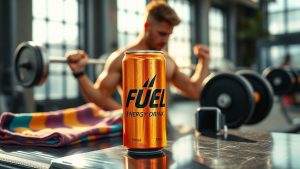
In contrast, energy drinks are formulated mainly to enhance mental alertness and physical performance through stimulants, primarily caffeine. They often pack a hefty caffeine punch, with some products having as much as 500 mg in just 12 ounces—that’s roughly comparable to drinking five cups of strong coffee. While a boost of energy can be enticing, you should consider whether that energy is necessary for your workout. Generally, energy drinks are marketed for a quick energy boost rather than as a recovery solution after strenuous exercise.
When you think about the composition of these two types of beverages, it’s important to take note of their nutrient profiles. Sports drinks like Gatorade typically contain no caffeine or stimulants; instead, they focus on replacing electrolytes such as sodium and potassium, as well as carbohydrates ranging from 12-18 g per 8 oz. This balanced profile makes Gatorade more suitable for maintaining hydration and energy levels throughout prolonged exercise.
In contrast, energy drinks do contain carbohydrates but add stimulatory ingredients like taurine and additional vitamins.
Research shows that continuous exercise lasting between 1-4 hours directly benefits from carbohydrate-fueled sports drinks. Male athletes show improved time to exhaustion and VO2max increases with the use of caffeine and taurine in energy drinks; however, these effects aren’t always beneficial during intensive workout sessions when your primary goal should be rehydration and recovery.
For lengthy workouts of 2-3 hours, consuming up to 60 grams of carbohydrates per hour from sports drinks can help sustain energy levels effectively.
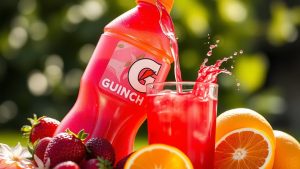
That said, you should also keep an eye on sugar content. For instance, Gatorade Thirst Quencher Fierce Grape contains 34g of sugar per 591ml—similar to a can of Coca-Cola. Regular consumption of such high-sugar drinks could lead to weight gain unless you’re engaging in high-intensity workouts frequently.
Consuming Gatorade outside intense exercise scenarios can lead to blood glucose spikes and crashes, resulting in fatigue.
Ultimately, if you’re looking to hydrate and fuel your body during a long workout, Gatorade may be the better choice. If you’re simply after a mental lift or quick energy for a task or light lifting, an energy drink might suffice.
Consider what fits your needs best while keeping awareness of how each option impacts your overall health and performance.
Conclusion
In choosing between Gatorade and energy drinks for your workout, it really comes down to your needs. Did you know that Gatorade typically contains about 14 grams of carbohydrates per 8-ounce serving, ideal for quick energy replenishment? Energy drinks, on the other hand, often pack caffeine, which can boost your focus but might lead to a crash later. Ultimately, if you’re after hydration and electrolytes, stick with Gatorade, but for a caffeine kick, an energy drink might be your best bet.