What Factors Influence River Water Flow?
How do climate change, urbanization, and natural patterns intertwine to shape river water flow? Discover the surprising influences behind these vital ecosystems.
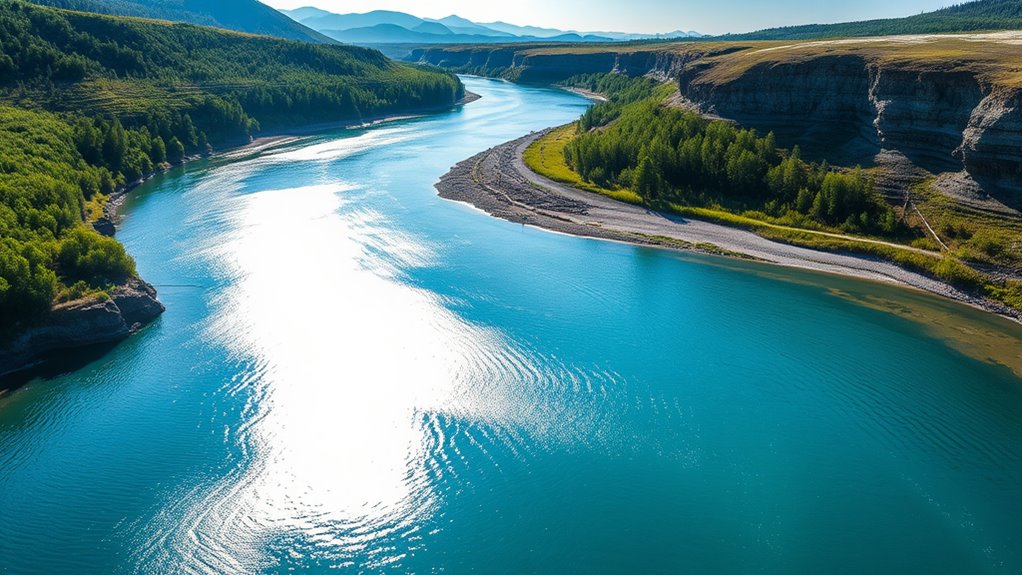
Factors influencing river water flow include precipitation patterns, evaporation rates, the physical characteristics of river basins, human modifications, and seasonal climate variations. Heavy rainfall can cause spikes while prolonged droughts reduce flow. Urbanization and deforestation change how water is retained or runs off, affecting river systems. Additionally, climate change alters precipitation and temperature trends, further complicating flow patterns. Understanding these interrelated factors can provide valuable insights into river dynamics and their environmental impact.
When considering the factors influencing river water flow, it's essential to recognize how interconnected elements like precipitation, evaporation, and land use come into play. Precipitation serves as the primary source of water for rivers, and its type—whether rain, snow, or sleet—affects river discharge and flow in distinct ways. For instance, heavy rainfall can lead to sudden spikes in river discharge, potentially triggering floods. Conversely, prolonged drought conditions result in markedly reduced river flow. The timing and distribution of precipitation also matter; a steady, well-distributed rainfall can sustain river levels, while erratic patterns can lead to periods of both flooding and drought.
Precipitation is the key driver of river flow, influencing discharge and potential flooding or drought conditions.
Evaporation and transpiration further complicate the water balance in river systems. During evaporation, water shifts from liquid to vapor, subsequently lowering the amount of water available to rivers. Similarly, transpiration—where plants release water vapor—also impacts river flow. In hot and dry climates, both processes intensify, greatly depleting water resources. The density and type of vegetation play an important role in these processes; areas with dense vegetation tend to retain more water through increased infiltration, while deforested regions experience higher runoff and reduced water retention. High temperatures can increase evaporation rates, leading to even greater challenges for maintaining river flow.
The physical characteristics of river basins are another vital factor in determining river water flow. Larger basins generally collect more water, leading to higher discharge rates. Geological features, such as the permeability of rocks, also influence how much water is absorbed versus how much runs off into rivers. Steep slopes facilitate rapid water flow into rivers, while flatter areas tend to have slower runoff.
Human modifications, such as urbanization and deforestation, disrupt natural water dynamics, increasing runoff and altering the basin's ability to retain water. Climate and weather patterns contribute considerably to river flow dynamics as well. Warmer temperatures can lead to increased rainfall and runoff. Variability in precipitation affects discharge, with climate change further complicating these patterns. Seasonal variations, such as snowmelt in the spring, can cause considerable fluctuations in river levels and flow rates. Regional differences in climate zones dictate how these factors manifest, ultimately shaping river discharge patterns.
Your understanding of vegetation and land use practices is vital in this scenario. High vegetation cover typically reduces runoff, enhancing infiltration and maintaining river water levels. In contrast, deforestation and urbanization increase surface runoff, which can quickly overwhelm river systems. Agricultural practices also modify soil hydrology, influencing how water moves through the landscape.
Finally, hydrological factors like groundwater recharge can influence tributary flow, while soil saturation levels determine how much water can be absorbed versus how much runs off. The storage capacity of a basin affects its ability to hold and release water, ultimately influencing discharge rates. By thoroughly analyzing these interconnected factors, you can gain a clearer understanding of the dynamics that shape river water flow in various environments.
Conclusion
To summarize, understanding the factors influencing river water flow—like precipitation, topography, and human activity—can help you appreciate the delicate balance of our ecosystems. While some might argue that rivers flow independently of our actions, consider the stark reality: a dammed river transforms a vibrant ecosystem into a stagnant pond. By recognizing these influences, you're better equipped to advocate for sustainable practices that preserve the natural beauty and health of our waterways for future generations.