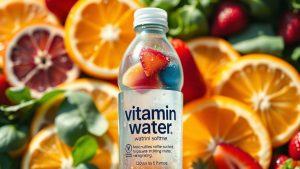
Does Vitamin Water Have Caffeine?
Could Vitamin Water be your energizing hydration solution? Discover the surprising caffeine content in different flavors and what it means for you.

Yes, Vitamin Water has varying caffeine content depending on the flavor. Most varieties are caffeine-free, but options like Kiwi-Strawberry contain 6 mg per 20 fl oz, while Energy Tropical Citrus packs about 60 mg. The VitaminWater Energy typically has around 50 mg. So, it's important to check the label for specifics. This drink can provide hydration and added nutrients, making it a popular choice among health-conscious consumers, and there's more to discover on its benefits.
Have you ever wondered whether Vitamin Water contains caffeine? You're not alone in this inquiry, as many consumers are trying to navigate the complex world of beverages and their caffeine content. The truth is that most Vitamin Water flavors are primarily caffeine-free, making it an appealing choice for those who want to avoid excessive caffeine. However, there are some specific varieties that do include caffeine, so it's important to check the labels before making a selection.
For example, the Focus Kiwi-Strawberry flavor contains about 6 mg of caffeine per 20 fl oz, which is relatively low. On the other hand, if you're looking for a more noticeable energy boost, the Energy Tropical Citrus variety packs approximately 60 mg of caffeine per the same serving size. VitaminWater Energy typically contains around 50 mg of caffeine per 20 fl oz as well. As you can see, while most flavors don't contain caffeine, a few options do offer a moderate energy boost. This means if you're sensitive to caffeine, you'll want to be mindful of your choices.
Vitamin Water has gained popularity among health-conscious consumers, largely due to its added vitamins and minerals. Not only does it hydrate, but it also provides vital nutrients. The presence of natural sources of caffeine, like green tea extract and guarana extract, means that the drink offers some antioxidant benefits as well. Some varieties contain caffeine differs from many traditional caffeinated beverages, such as coffee and energy drinks, which typically contain much higher caffeine levels.
So, if you're trying to limit your caffeine intake, Vitamin Water can be a suitable alternative. Despite its benefits, it's important to monitor your overall caffeine consumption, especially if you're particularly sensitive to it. Even the low amounts in Vitamin Water can affect some individuals. Additionally, children aren't recommended to consume caffeinated varieties, as their caffeine sensitivity is generally higher.
It's also good practice to prioritize plain water as your primary hydration source, ensuring you maintain a balanced dietary habit. When it comes to selecting your drink, you should always check the nutrition facts panel. Not all flavors have the same caffeine content, so being informed is important to avoid any misconceptions.
Reading labels helps you understand the ingredients, enabling you to manage your dietary preferences effectively. This accountability and awareness can go a long way in helping you make informed choices.
Conclusion
In conclusion, while some flavored waters boast caffeine content, Vitamin Water doesn't. Instead of a quick energy boost, it offers hydration and essential vitamins. Think of it as a revitalizing alternative to sugary sodas, without the jittery side effects of caffeine. So, if you're looking to quench your thirst with a nutrient-packed drink, Vitamin Water is a solid choice. Just remember, it's not an energy drink; it's a flavorful way to hydrate your body.