Standard Lengths of Water Bottles
Pick the perfect water bottle size for your needs and discover how each length enhances your hydration experience. Explore the options now!

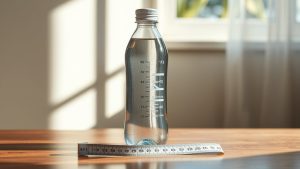
Water bottles come in various standard lengths tailored to different hydration needs. For quick refreshment, a 6-ounce bottle measures about 4.5 inches tall. If you need something larger for longer activities, 32-ounce and 40-ounce bottles typically range from 9 to 12 inches in height. A 16.9-ounce bottle stands around 8 inches tall, balancing portability and usability. Each size serves specific situations, making it essential to choose wisely based on your needs. More insights on material and design await!
When it comes to choosing the right water bottle, understanding the standard lengths and volumes can make all the difference in your hydration experience. Water bottles come in a variety of sizes, ranging from 6 ounces to 120 ounces or more, each catering to different hydration needs. A 6 oz bottle, for example, is perfect for small, quick refreshments, while larger bottles, like 32 oz and 40 oz, are designed for longer-lasting hydration during activities like gym sessions or outdoor adventures.
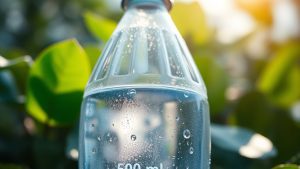
The dimensions of standard water bottles greatly influence their usability. A typical 16.9 oz bottle, which is equivalent to about 500 ml, stands around 8 inches tall and has a diameter of 2.5 inches, making it easy to grip and handle. On the other hand, smaller bottles, like the 6 oz variety, measure approximately 4.5 inches in height, while medium-sized bottles, ranging from 16 oz to 24 oz, provide a balance between portability and capacity. Larger bottles are designed for more fluid capacity, which makes them suitable for active users needing to stay hydrated during prolonged activities.
The size and dimensions of water bottles significantly affect their ease of use and portability.
As for larger bottles, they can reach heights of up to 16 inches for capacities like 120 oz, which may be cumbersome for everyday use but ideal for extended outings. When you assess common water bottle heights, you'll find a clear hierarchy: 6 oz bottles are around 4.5 inches tall, 12 oz bottles measure around 6 inches, 16 oz bottles are typically 8 inches tall, and 20 oz bottles stand about 9 inches tall. Large bottles, such as 40 oz varieties, generally reach around 12 inches in height.
Knowing these measurements can help you choose a bottle that fits comfortably in your bag, car cup holder, or even your hand during exercise. The materials and design of water bottles also play a vital role in their functionality. Lightweight plastic bottles, often disposable, are convenient for quick use. However, reusable plastic bottles frequently hold more liquid, with some accommodating up to 32 oz.
If you prioritize temperature maintenance, insulated stainless steel bottles are available in various sizes, and they're also designed for easy use during sports. Glass bottles offer a non-toxic alternative but can be heavier and more fragile. Your choice of bottle size directly impacts your hydration habits. Larger bottles promote increased water intake throughout the day, while standard sizes strike a balance between hydration needs and portability.
Smaller sizes are convenient for short trips or minimal hydration requirements. Remember, hydration needs vary based on your activity level and personal preferences. Lastly, it's important to think about the environmental impact of your choice. While disposable plastic bottles contribute greatly to pollution, opting for reusable options can reduce waste.
Insulated bottles tend to be more sustainable over time, and selecting eco-friendly materials is increasingly important. Ultimately, understanding standard lengths and volumes helps you make informed decisions that align with your hydration needs and environmental values.
Conclusion
In the world of hydration, the lengths of water bottles may seem trivial, but they hold more significance than you might think. From the compact 500ml to the towering 2-liter giants, each size serves a unique purpose, shaping your drinking experience. As you reach for your next bottle, consider not just the volume, but how its length affects your daily routine. What if the choice you make today influences your hydration habits tomorrow? The answer might surprise you.