Does Bottled Water Go Bad?
Just how long can bottled water last, and what factors could affect its freshness? Discover the surprising truths behind proper storage and safety.
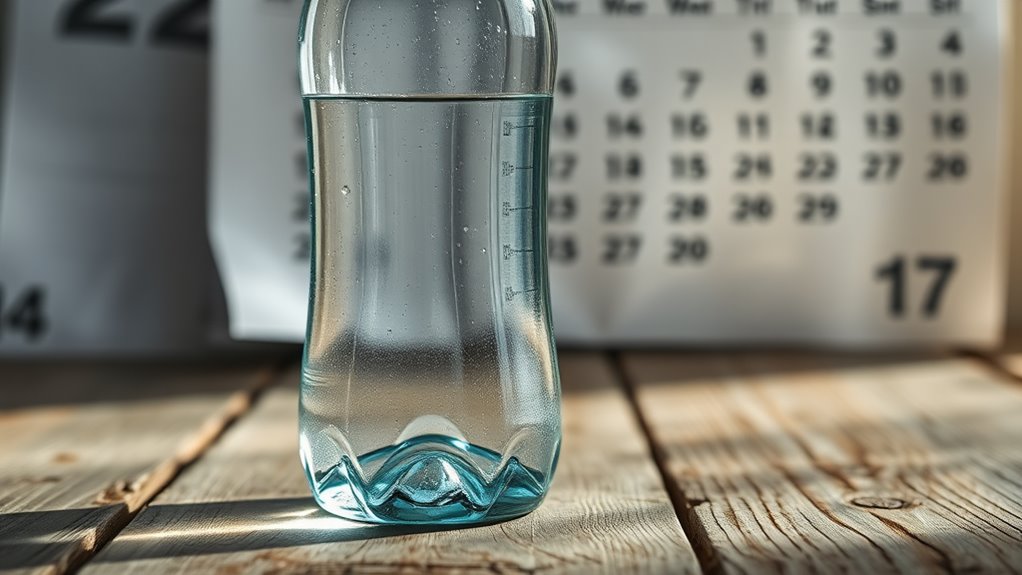
Bottled water doesn't go bad since it's pure and safe to drink indefinitely. However, storage conditions matter—keeping it in a cool, dark place helps maintain quality. Heat and sunlight can degrade the plastic, potentially leading to chemical leaching and off tastes. Opened bottles face higher contamination risks, so sealing them properly is important. Be mindful of these factors to guarantee your water stays fresh. Discover more about best practices for storage and safety.
Have you ever wondered whether bottled water can go bad? The short answer is that water itself doesn't have an expiration date. Its stable chemical composition, H2O, guarantees it remains safe to consume indefinitely. However, the packaging plays an essential role in determining how long that water stays at its best quality. While manufacturers often label bottled water with a "best-by" date, this isn't about safety; it's more about maintaining peak taste and quality.
When you consider bottled water, think about the impact of environmental factors. If you store your bottles in a cool, dark place, you'll extend their shelf life considerably. Conversely, if you leave them exposed to heat or sunlight, you're inviting trouble. Prolonged exposure can cause the plastic to degrade, potentially leaching harmful chemicals into the water. For example, bottles made from polyethylene terephthalate (PET) can release microplastics and other substances, especially when heated. If you're conscientious about your health, opting for BPA-free bottles can help mitigate some risks associated with chemical contaminants. Proper storage conditions can significantly affect the longevity of bottled water and help maintain its quality.
You might also be surprised to learn that the FDA doesn't require bottled water to have expiration dates. Manufacturers often include these dates for quality assurance rather than safety concerns. This means that the "best-by" date primarily serves to assure you of the water's freshness. While some states have previously mandated expiration dates, such practices are rare today. The conditions under which you store the bottled water—whether in a hot car or near chemicals—play a more considerable role in determining its actual quality than the water itself.
Improper storage can lead to various issues. If you leave your bottles in a hot environment, you might notice an off taste developing over time. Additionally, damaged bottles increase the risk of bacterial contamination. Once opened, bottled water has a reduced shelf life, as it becomes more susceptible to airborne contaminants. If you drink straight from the bottle or don't seal it properly, you're risking introducing microorganisms into the water.
It's important to understand that even if chemicals leach into the water, they typically remain within regulatory safety limits. However, avoiding heat exposure can greatly reduce the chances of chemical contamination and help maintain the freshness of the water. Proper storage practices are critical; keeping your bottled water away from direct sunlight and heat will guarantee it tastes good and stays safe.
Conclusion
To sum up, while bottled water doesn't spoil like food, it can lose its freshness over time. Factors like sunlight, temperature, and container materials play a significant role in its quality. If it's been stored improperly, you might find it's not as enjoyable to drink. So, when it comes to bottled water, it's wise to keep an eye on the expiration date and trust your senses—better safe than sorry. Your hydration deserves the best!