Essential Nutrition Facts About Water
Find out why water is crucial for your health and discover surprising facts that could change your hydration habits forever.
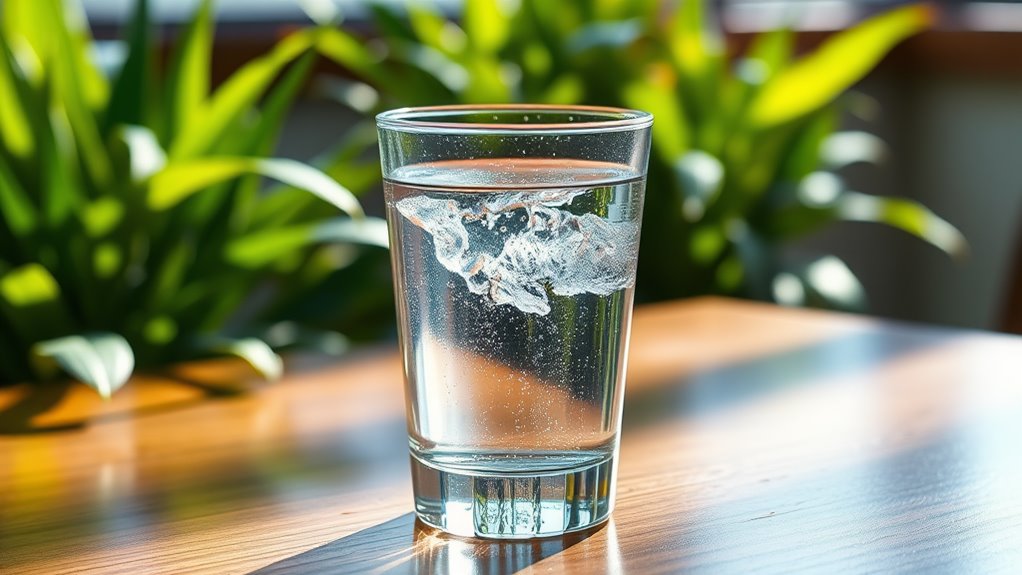
Water's essential for your health, making up 60-70% of your body weight. It maintains cell structure, regulates temperature, and aids digestion by dissolving nutrients. You need to consume water regularly, as it isn't produced in the body. Besides drinking, food and metabolic water provide hydration. Dehydration can impair your cognitive function and physical performance. Plus, plain and sparkling water are calorie-free alternatives to sugary drinks. Keep learning about the remarkable benefits of hydration and how it affects your well-being!
When you think about hydration, water is the essential component your body needs, as it makes up about 60-70% of your total weight. This clear liquid is critical for numerous bodily functions. For starters, it plays an important role in maintaining cell shape and structure, ensuring your cells can function effectively.
Additionally, water helps regulate your body temperature, making it an indispensable ally during physical activities or hot weather. You mightn't realize it, but water also aids in digestion by dissolving nutrients and substances, facilitating their absorption.
Water is crucial for regulating body temperature and aiding digestion by dissolving nutrients for better absorption.
You can't produce water through metabolic processes, so you must consume it from various sources. While drinking water is the most straightforward option, food and metabolic water also contribute to your hydration. Your hydration needs can change based on your activity level, climate, and individual health factors.
Insufficient hydration can lead to dehydration, which poses considerable health risks, including impaired cognitive function and reduced energy levels. Staying adequately hydrated supports not only your physical well-being but your mental sharpness too.
Plain and sparkling water contain zero calories and lack proteins, fats, and carbohydrates. This means you can drink as much as you need without worrying about calorie intake. Compared to sugary beverages like soda or juice, water is a healthier choice that helps manage your calorie consumption.
If you want to add flavor, consider infusing your water with natural ingredients like fruits or herbs. This way, you can enjoy a revitalizing drink without the added sugars.
While tap water often contains trace amounts of minerals like calcium, magnesium, sodium, and zinc, these levels can vary considerably based on the water source. Although these minerals support various bodily functions, you likely don't need to rely on water as your sole source for them, especially if you consume a balanced diet. Essential minerals are crucial as they help build bones, make hormones, and regulate heartbeat.
Some sparkling or mineral waters may contain added electrolytes, which can be beneficial during intense workouts or in hot conditions.
Water's role extends beyond hydration; it also transports nutrients and oxygen to your cells, ensuring that your body operates efficiently. This nutrient transport is essential for overall health and energy levels.
In addition, water plays a key role in waste removal, flushing toxins out of your body and supporting kidney health. By maintaining proper hydration, you also enhance your athletic performance, as even minor dehydration can impair physical capabilities.
Conclusion
Incorporating water into your daily routine is crucial for your health, vitality, and overall well-being. It fuels your body, hydrates your cells, and aids digestion. When you prioritize water, you enhance your focus, boost your energy, and support your immune system. Remember, staying hydrated isn't just about quenching your thirst; it's about nurturing your body, sharpening your mind, and empowering your life. So, drink up, stay refreshed, and embrace the essential role of water in your wellness journey.