Why Did Coca-Cola Discontinue Vault Drink?
Why did Coca-Cola ultimately decide to discontinue Vault drink after six years of struggle? Discover the key challenges it faced in a competitive market.
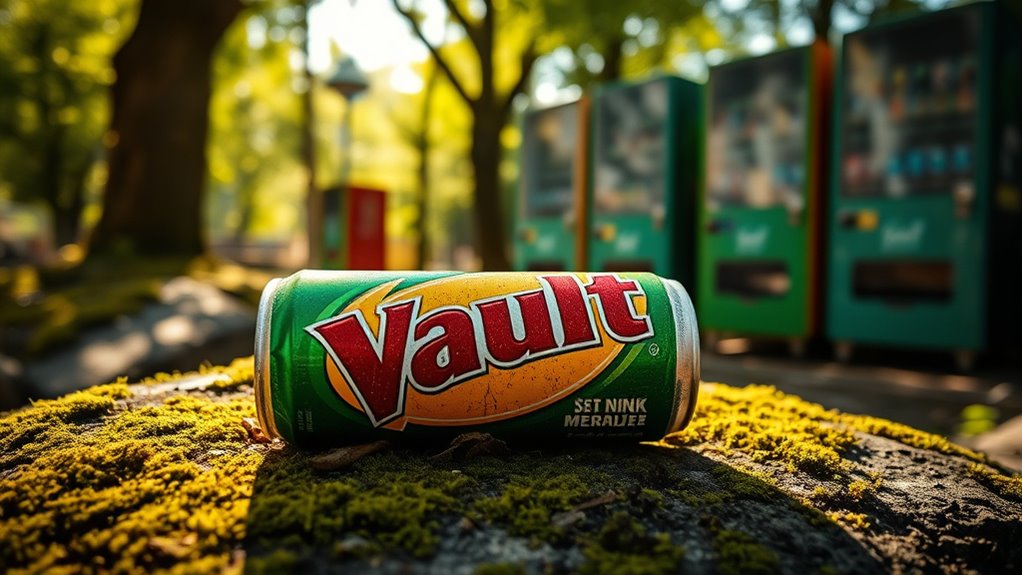
Coca-Cola discontinued Vault drink due to its lackluster sales and weak market position after six years. It struggled to carve out a niche amid strong competitors like Mountain Dew and Mello Yello. Despite an aggressive marketing strategy, Vault failed to differentiate itself and build a loyal consumer base. Its mixed brand perceptions and limited appeal led to its downfall. To understand the broader market dynamics and challenges Vault faced, consider the competitive landscape it operated within.
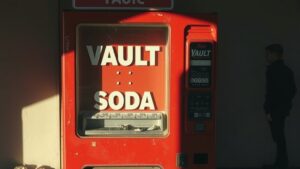
Coca-Cola has officially decided to discontinue its Vault drink, primarily due to disappointing sales performance and a weak market position over its six-year lifespan from 2005 to 2011. The drink’s underwhelming sales showcased a failure to carve out a notable niche, leading Coca-Cola to redirect its marketing efforts and resources to Mello Yello, a proven competitor with a strong base of loyal consumers. Vault didn’t gain the cult following that brands like Mountain Dew or Surge enjoyed, impacting its sustainability in a competitive marketplace.
Initially marketed as a hybrid between a soda and an energy drink, Vault sought to attract a younger demographic that craved caffeine but was put off by traditional energy drinks. Despite clever slogans such as “drinks like a soda, kicks like an energy drink,” and an aggressive marketing strategy that even included Super Bowl commercials in 2006, the enthusiasm expected from consumers never materialized. The limited rollout in select U.S. markets initially restricted its exposure, and once it expanded nationally, it struggled to meaningfully broaden its consumer base.
Vault aimed to capture the youthful caffeine market but failed to generate the anticipated consumer excitement.
Moreover, Vault’s marketing failed to clearly differentiate the beverage from Coca-Cola’s existing products. This muddled positioning contributed to mixed brand perceptions among consumers. With competitors like Mello Yello and Mountain Dew firmly established, Vault found it challenging to justify its place in Coca-Cola’s extensive portfolio. Instead of presenting a unique value, Vault often felt like a redundant option for caffeinated citrus beverages. Vault’s initial appeal as a caffeinated beverage did not sustain long-term popularity. Additionally, the company invested heavily in promotional campaigns that did not translate into significant sales.
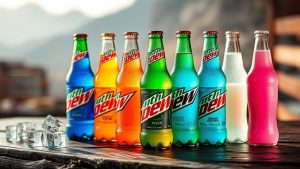
Flavor variety was another element; Vault came in several citrus-flavored versions, including originals like lemon-lime, Red Blitz, and more experimental variations such as Grape and Peach. However, having numerous options didn’t translate to robust sales performance nor did it encourage consumer adoption. Even Vault Zero, which emerged after regulatory concerns, failed to invigorate sales. The perception remained that the drink was neither a compelling alternative nor an improvement over its competitors.
Consumer reception was lukewarm, with noticeable backlash against its neon green color. Some viewed this aesthetic as “radioactive,” while others dismissed it as a “frankendrink” due to its artificial flavoring. This negative visual branding usually resonated poorly with broader audiences, limiting Vault’s appeal primarily to niche groups like gamers and fitness enthusiasts. Ultimately, this critique likely hampered its shelf performance and contributed to its discontinuation.
In a competitive landscape rife with citric caffeinated beverages, Vault found itself unable to contend effectively. Mello Yello, backed by stronger sales and brand recognition, further dulled Vault’s potential to thrive. Efforts to rival others in the crowded market simply weren’t sufficient. As Coca-Cola shifts its focus to products that command consumer loyalty, Vault’s discontinuation seems both a practical and necessary response to the dynamics at play in the beverage market.
Conclusion
In summary, Coca-Cola’s discontinuation of Vault reflects changing consumer preferences, as people increasingly seek health-conscious options over sugary drinks. This decision, much like the demise of cassette tapes in the digital age, indicates a shift towards more innovative and sustainable beverages. While Vault may have had its loyal fans, the market demands adaptation and evolution. The company’s ability to pivot away from nostalgic favorites is essential for staying relevant in a rapidly transforming beverage landscape.