What Causes Mold in Water Bottles?
Look into the hidden dangers of mold growth in water bottles and discover how improper storage can lead to health risks. What can you do to prevent it?

Mold in water bottles thrives in dark, moist environments with little air circulation. When you store water in a sealed bottle, trapped humidity creates ideal conditions for mold spores to flourish. Contamination can stem from unclean sources or inadequate bottling practices, while residual organic matter and oral bacteria further promote growth. If you don’t clean bottles frequently, biofilm can form, shielding mold from common cleaning efforts. Want to understand more about preventing this issue?
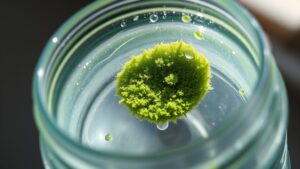
While you might think your water bottle is a safe place for hydration, mold can easily take hold under the right conditions. The environment inside your bottle—dark, moist, and warm—creates an ideal breeding ground for fungal growth. When moisture accumulates, it provides the necessary environment for mold spores to incubate and form visible patches.
Your water bottle may seem safe, but its dark, moist environment can foster mold growth if not properly maintained.
Without adequate air circulation and light exposure, mold colonies can develop undisturbed, especially in sealed or partially sealed containers that trap humidity. If temperature fluctuations occur, they can compromise the integrity of the bottle, allowing for easier contamination.
Water sources aren’t necessarily free of mold to begin with. Mold spores are naturally present in lakes and ponds, and they can find their way into bottled water supplies. Organic matter in the source water provides essential nutrients for mold growth. Consequently, if pre-existing microbial contamination exists in the water, it will transfer directly into your bottle.
Unfortunately, inadequate water treatment systems may fail to remove these mold spores before the bottling process, leading to contaminated drinking water. Regular use of bottles increases the risk of contamination, especially when people drink directly from them, as they introduce more bacteria and mold spores.
Cleaning routines play a significant role in mold prevention. If you don’t clean your bottle frequently or adequately, you allow biofilm to form on interior surfaces. The crevices around seals, straws, and lids harbor mold that often escapes regular washing.
Surprisingly, daily cleaning with just standard soap isn’t enough to eliminate microscopic spores. Bottles left unused in gym bags or on desks without washing can quickly become havens for mold growth. The slimy biofilm produced by bacteria forms a protective layer, enabling mold to proliferate.
Your habits also contribute to the risk of mold. When you drink from your bottle, saliva transfers a high concentration of microbes, including bacteria and fungi, directly into the container. Oral bacteria produce substances that help microorganisms clump together, forming biofilms.
This biofilm creates a protective environment that shields mold from cleaning efforts. Given that the mouth is one of the highest microbial concentrations in the human body, it’s a significant vector for transferring pathogens to your bottle.
If you’re consuming sugary beverages, you’re adding another layer of risk. Sports drinks and other sugary beverages provide a rich source of nutrition for bacteria and fungi. The added sugars feed these colonies and accelerate their growth rates. Long-term mold exposure can lead to various health issues that may be overlooked.
Non-water liquids also introduce organic compounds that support microbial reproduction, creating a much more favorable environment than plain water alone. Even residual sugar deposits can continue feeding mold long after finishing the drink.
Finally, consider the bottling process itself. If contaminated water sources enter production stages, or if treatment systems are improperly maintained, mold spores can remain in the final product.
A lack of disinfection protocols at bottling facilities means contamination can persist throughout packaging. Inadequate sanitation conditions during production can introduce mold to your water, which you may unknowingly be consuming.
Awareness of these factors can help you take proactive steps to keep your water bottle clean and safe.
Conclusion
To prevent mold from growing in your water bottle, it’s essential to keep it clean and dry. For instance, a university athlete left her reusable bottle filled with water in her gym bag for days. When she finally took a sip, she noticed a foul taste and visible mold. This incident highlights the importance of regular cleaning and ensuring bottles dry completely post-use. By following simple hygiene practices, you can enjoy fresh, safe water every time.