How Many Ounces Are in a Water Bottle?
Get insights into water bottle sizes and their capacities, and discover which one is perfect for your hydration needs!
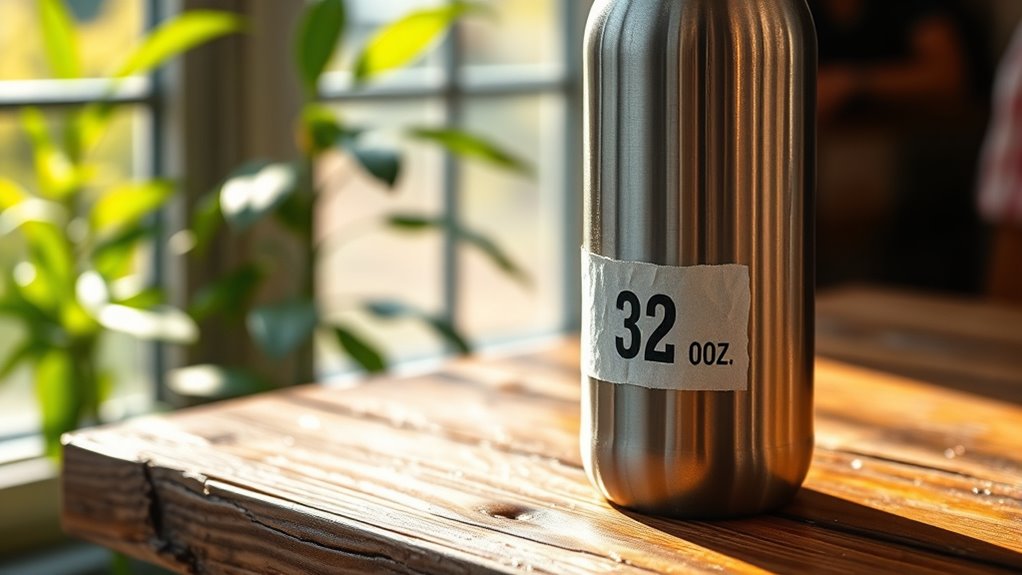
A standard disposable water bottle holds 16.9 ounces, while reusable bottles typically range from 17 to 32 ounces. Sizes like 20 ounces can help meet daily hydration needs effectively. Larger bottles, such as 32 ounces or more, are excellent for outdoor activities, but they can be cumbersome to carry. Smaller options, around 12 ounces, suit quick drinks or children. Understanding the variety of sizes can help you choose the right bottle for your lifestyle and hydration goals, and there’s more to take into account.
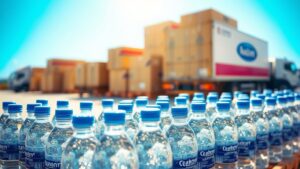
Have you ever wondered how many ounces are in a typical water bottle? If you’ve ever grabbed a standard disposable water bottle, you’ve likely picked up one that holds 16.9 fluid ounces, or around 500 milliliters. This size is the most common among single-use bottles and has become a baseline for hydration on the go. It’s lightweight, portable, and easy to track your daily water intake with. The familiarity of this size makes it a convenient choice, whether you’re at a sporting event or just out running errands.
A standard disposable water bottle typically holds 16.9 fluid ounces, making it a convenient choice for hydration on the go.
When exploring reusable water bottles, the size options increase considerably. They typically range from 17 ounces to 24 ounces, with popular sizes being 16 oz, 20 oz, and 32 oz. These larger reusable bottles cater to varying hydration needs, offering more volume to reduce how often you need to refill. While you can find smaller reusable options, like 8 oz bottles for children or quick hydration, they generally exist to serve specific purposes—such as supplement mixing or light travel.
In particular, mid-range sizes, which include bottles from 12 ounces to 24 ounces, can be practical for daily use. A 12 oz bottle, for instance, would take approximately 10.7 of them to make a gallon, while a 24 oz bottle shrinks that number down to about 5.3 bottles per gallon. This makes mid-range sizes ideal for locations like the office, gym, or school, where you may need to balance hydration with convenience. Standard water bottles typically hold 16.9 ounces, which is convenient for portability. Additionally, understanding how many bottles of any size you need allows you to effectively manage your hydration goals and meet your daily intake requirements.
If you’re more of the adventurous type or simply find yourself in need of larger quantities of water throughout the day, large and extra-large water bottles could be your best bet. Sizes like 32 oz, 40 oz, and even 64 oz provide extended hydration suited for outdoor activities or all-day use. However, be mindful that these larger bottles may not fit in every cup holder, and their added weight can be cumbersome when full. Many come insulated, maintaining your water temperature for hours, which adds to their appeal.
Understanding how many bottles you need to reach a gallon can help in tracking your hydration goals effectively. A U.S. gallon contains 128 fluid ounces, so if you’re using that standard 16.9 oz bottle, you’ll need about 7.5 of them to equal a gallon. Using larger bottles reduces the total you need, while smaller ones increase it. This calculation empowers you to choose the right size based on your hydration habits.
Ultimately, the size of your water bottle should align with your lifestyle. If you appreciate portability for short outings, smaller bottles are a great match. Conversely, if you’re an outdoor enthusiast or wish to limit refills, larger options can serve you well. Understanding these aspects equips you to make the most informed choice, ensuring you stay well-hydrated throughout your day.
Conclusion
To summarize, while a standard water bottle often holds 16.9 ounces, you might find bottles ranging from 8 ounces to over 32 ounces. This variety offers convenience for a quick sip versus a long hike. So, whether you’re opting for a lightweight bottle for workouts or a larger one for extended trips, knowing your options puts you in control of your hydration. Ultimately, the right choice depends on your needs, blending practicality with your lifestyle.