Which Fruits Are More Acidic Than Kiwi?
Keen to discover which fruits pack a more acidic punch than kiwi? The surprising health impacts await your exploration!
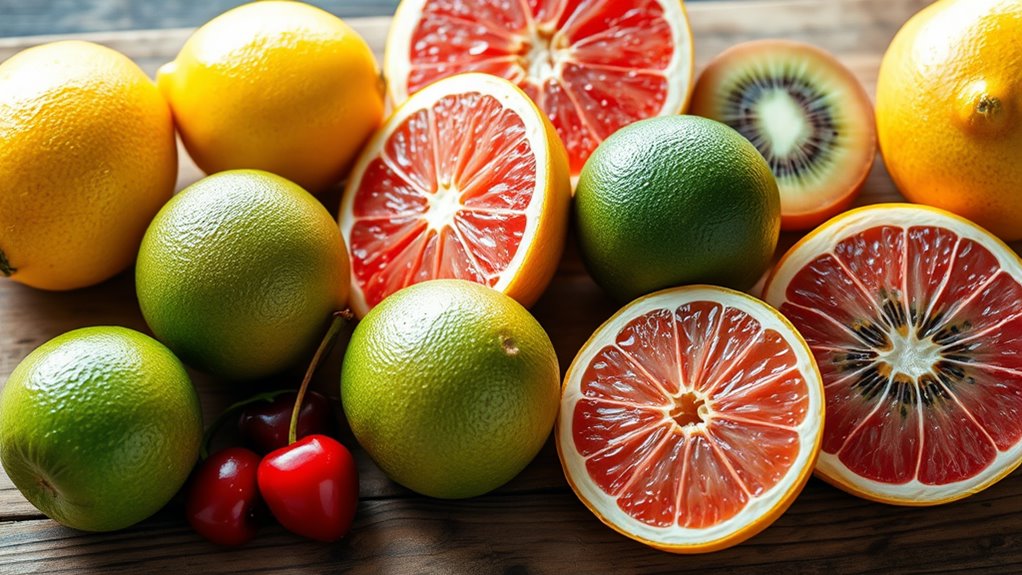
Lemons, limes, cranberries, grapes, and pomegranates are all fruits that are more acidic than kiwi. Lemons and limes top the list, with pH levels as low as 2.00, while cranberries range from 2.30 to 2.52. Grapes and pomegranates also edge out kiwi, which has a pH of around 3.00 to 3.50. If you're curious about how these acidity levels might affect your health, there's more valuable information ahead.
When it relates to acidity, several fruits pack a stronger punch than kiwi, which generally has a pH level around 3.00 to 3.50. If you're focusing on managing your diet or addressing specific health concerns, knowing which fruits are more acidic than kiwi can be very useful.
Understanding the acidity levels of fruits like kiwi can aid in managing your diet and health effectively.
Lemons and limes top the list, boasting pH levels between 2.00-2.60 and 2.00-2.80, respectively. Their high acidity can lead to significant impacts on dental health, so moderation is key if you enjoy these citrus fruits. High acid content in fruits can weaken tooth enamel over time.
Cranberries also come in with a pH of 2.30-2.52, making them more acidic than kiwi. If you're considering cranberry juice or dried cranberries, keep in mind that their acidity may exacerbate conditions like acid reflux.
Blue plums range from 2.80-3.40 in pH, varying by variety but generally presenting higher acidity than kiwi. Grapes, particularly on the lower end of their pH range of 2.90-3.82, also edge out kiwi regarding acidity. Consequently, if you're looking to limit your acid intake, you might want to be cautious with these fruits.
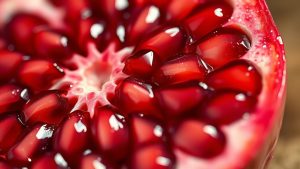
Pomegranates, with a pH range of 2.93-3.20, are slightly more acidic than kiwi as well. This means they can also contribute to the same dental health issues seen with other acidic fruits.
Curiously, while citrus fruits are known for their acidity, fruits like oranges and grapefruits have pH levels that are slightly higher than kiwi, ranging from 3.00-3.75 and 3.69-4.34, respectively. This highlights that while kiwi is relatively acidic, it's still less so than lemons, limes, and cranberries.
You might find blueberries to have a pH of 3.12-3.33, which is quite similar to kiwi, making them a good alternative if you're looking to balance acidity. Pineapples can range from 3.20-4.00, overlapping with kiwi acidity levels, so if you enjoy pineapple, it's worth noting its position on the acidity scale.
Apples are generally less acidic than kiwi, with pH levels ranging from 3.33-4.00. In contrast, fruits like peaches and mangos tend to be less acidic overall.
Being aware of the acidity levels in fruits can help you manage your diet effectively, especially if you have sensitive digestion or teeth. Consuming highly acidic fruits in moderation is advisable.
Drinking water after eating these fruits can help neutralize acidity in your mouth, protecting your dental health. If you're prone to digestive discomfort, incorporating these fruits into meals rather than consuming them on an empty stomach may help reduce discomfort.
Conclusion
In the vibrant world of fruits, some shine brighter in acidity than kiwi, like lemons and grapefruits, each a burst of sunshine on your palate. Just as the sun fuels growth, these acidic fruits offer a revitalizing jolt of flavor and nutrition. Understanding their acidity not only enhances your culinary choices but also symbolizes the diverse tapestry of nature's offerings. Embracing this variety can elevate your health, turning your meals into a vibrant celebration of taste and well-being.