What Is a Sediment Filter and How Does It Work?
How does a sediment filter enhance water quality and protect your plumbing? Discover the essential functions and types of sediment filters here.

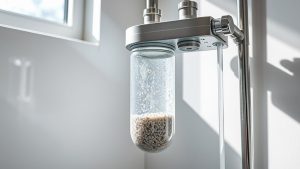
A sediment filter is a key part of water filtration systems that captures unwanted particles like dirt, rust, and debris. It uses mechanical filtration with a mesh-like mechanism to block these particles, preventing them from damaging your plumbing and appliances. By improving water quality, it protects your home and extends the lifespan of fixtures. Choosing the right sediment filter for your needs is essential for effective filtration, and there's more to explore about their types and maintenance.
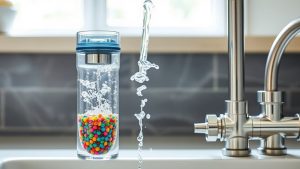
When it comes to guaranteeing clean water in your home, sediment filters play an essential role by capturing unwanted particles like dirt, rust, and other debris. These filters serve as the first line of defense in water filtration systems, preventing contaminants from entering your plumbing and appliances. By removing particulate matter, sediment filters improve overall water quality and make sure that larger particles are eliminated before they can adversely affect subsequent filtration stages.
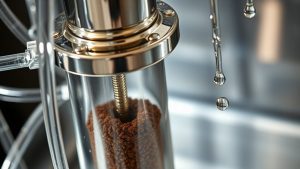
Sediment filters operate through mechanical filtration, physically blocking unwanted particles while allowing water to flow through. The design typically includes a screen-like mechanism that acts as a mesh to catch particulate matter traveling in the water. These filters can have large surface areas or depth gradients, enhancing their filtration capabilities. Common types of sediment filters include pleated, melt-blown, string-wound, bag, and spin-down filters. Each type varies in construction and filtration efficiency, so knowing which one works best for your needs is vital. Sediment filters are particularly important for protecting reverse osmosis systems from damage caused by larger particles.
Sediment itself comprises non-liquid particles like sand, silt, rust, dirt, and debris from various sources. If not removed, sand and silt can be abrasive to your plumbing fixtures, while rust flakes from corroded pipes can contaminate your water supply. Additional sediment types can include debris from construction activities, and rainwater often carries sediment into groundwater supplies. Understanding the types of sediment present in your water will help you select the most effective sediment filter.
The importance of sediment filters in filtration systems can't be overstated. They protect more sensitive filters, such as activated carbon or reverse osmosis membranes, from clogging and damage. By capturing larger particles, sediment filters enhance the overall longevity of your water filtration system. They act as a prefilter, reducing the maintenance needs associated with sediment buildup. This way, you can guarantee a more efficient water purification process.
Sediment filters find applications in residential, commercial, and industrial settings. They extend the lifespan of plumbing fixtures and water heaters by minimizing wear and tear. Additionally, by removing particulate matter, sediment filters improve water clarity and aesthetics, making your drinking water visually appealing. They play a critical role in protecting appliances from sediment-related damage, ultimately saving you time and money on repairs.
The mechanisms of action for sediment filters are primarily focused on mechanical filtration. These filters trap particles using a mesh or fibrous material, with varying micron ratings depending on the desired level of filtration. The size of the filter's pores determines which particles it can capture, making sure that the specific needs of your water quality are met.
To maintain effectiveness, sediment filters require regular replacement. Choosing the right filter depends on the size of the particulates in your water. Proper maintenance and timely selection of sediment filters will maximize their effectiveness, guaranteeing clean, safe water for your household.
Conclusion
Essentially, a sediment filter acts like a guardian for your water supply, capturing unwanted particles and ensuring purity. Just as a sieve separates grains from chaff, this filter protects your plumbing and appliances from damage, extending their lifespan. By investing in a sediment filter, you're not just enhancing water quality; you're safeguarding your home's health. Embrace the clarity it brings, and let every drop of water symbolize a commitment to cleanliness and well-being.