What Does Research Say About How Many Water Bottles to Drink Each Day?
Get the facts on how many water bottles you should drink daily, and discover surprising factors that could change your hydration needs.

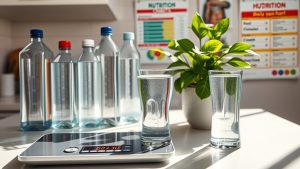
Research suggests your daily water intake should be tailored to your needs, typically around 2 to 3 water bottles each day. This depends on your weight, activity level, and environmental factors. For instance, active individuals or those in hot climates may need more. Don't forget that foods high in water content can also contribute to hydration. Understanding your hydration needs can help you stay healthy and energized, and more insights can optimize your approach.
Staying hydrated is essential for your overall health, but figuring out how much water you should drink each day can be confusing. The recommendations can vary based on several factors, including your age, sex, activity level, and even the climate you live in. For young adults, the National Academy of Medicine suggests daily intake of about 3,700 milliliters (130 ounces) for men and around 2,700 milliliters (95 ounces) for women. If you're physically active, you'll likely need even more water to replace the fluids you lose through sweat.
You might've heard the common guideline of drinking eight glasses of water a day, but this rule isn't scientifically backed for everyone. Rather than focusing solely on a number, consider a more personalized approach. For instance, one method suggests drinking half your body weight in ounces. If you weigh 200 pounds, that means you should aim for about 100 ounces of water daily. This method takes into account your body's specific needs, which can vary from person to person.
Your activity level plays a significant role in how much water you should consume. If you exercise regularly or engage in vigorous activities, you'll need to increase your intake. High temperatures and humidity can also make you sweat more, requiring additional hydration. Moreover, increased fluid intake may be necessary in hotter climates to maintain hydration levels.
On the flip side, older adults should pay attention to their fluid needs, as they've a higher risk of dehydration.
The food you eat contributes to your total fluid intake, too. Foods with high water content, like fruits and vegetables, can help you stay hydrated. However, it's still important to drink enough fluids throughout the day, especially if your diet lacks these water-rich foods.
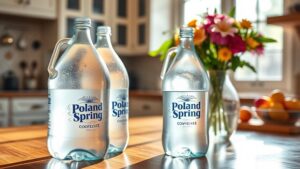
When it comes to choosing between bottled and tap water, you should consider both environmental impact and cost. Research suggests that a significant number of students opt for bottled water daily, but this contributes to waste and environmental degradation. Opting for reusable bottles can encourage a healthier, more sustainable choice.
Plus, educational initiatives can help shift behavior away from bottled water towards using tap water.
As you navigate your hydration needs, remember that your body's thirst response is generally adequate for maintaining hydration. Listening to your body can guide you in understanding when to drink more. Individual differences in fluid needs mean that you shouldn't solely rely on generalized guidelines. Instead, tweak your water intake based on your lifestyle, environmental conditions, and physical activity levels.
Conclusion
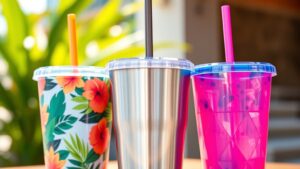
In the quest for hydration, you might find the advice overwhelming—some say eight bottles, others suggest more or less. The truth lies in listening to your body and considering your activity level, climate, and diet. Just as a plant needs the right amount of water to thrive, so do you. So, whether you're sipping from a sleek stainless steel bottle or a classic plastic one, make sure you're staying tuned in to your hydration needs each day.