How to Hydrate Fast Using 7 Science-Backed Methods That Work in Minutes
Optimize your hydration quickly with seven proven methods; discover why these strategies could transform your approach to wellness in mere minutes.

To hydrate fast, start with electrolyte solutions that enhance absorption, focusing on a sodium-to-glucose ratio of about 0.75. Drink small sips every 15-20 minutes to match your sweat losses and favor low-osmolality fluids for quicker rehydration. Include hydrating foods like cucumbers and watermelon in your diet. Monitor your urine color and body weight to assess hydration levels. Listen to your body’s thirst cues, and you’ll discover effective strategies that keep you ideally hydrated.
Utilize Electrolyte Solutions for Faster Absorption
Electrolyte solutions are your best ally for rapid hydration, especially when time is of the essence. These solutions optimize fluid absorption through a precise balance of sodium and glucose, specifically aiming for sodium concentrations between 45–60 mEq/L and glucose levels of 80–110 mM. The WHO and ESPGHAN recommendations provide a framework for achieving effective ORS formulations. The ideal sodium-to-glucose ratio of roughly 0.75 enhances sodium-glucose co-transport, facilitating water uptake in your intestines. Using chloride as the primary anion boosts water and sodium absorption compared to bicarbonate or sulfate. The osmotic gradient created by active sodium transport makes it possible for your body to absorb water quickly, even in dehydration situations. Selecting a palatable electrolyte solution encourages frequent intake, maximizing effectiveness.
Implement a Steady Drinking Strategy
To stay ideally hydrated, you must implement a steady drinking strategy, especially during extended activities or in hot conditions. Aim to drink regularly every 15–20 minutes to match sweat losses while preventing gastrointestinal discomfort. This approach helps maintain hydration within ±2% body mass loss, essential for performance and health. Fluid replacement strategy should target maintaining hydration within 2% of body mass ensures that you are optimizing your performance and reducing the risk of dehydration.
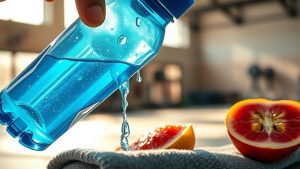
Focus on taking small sips rather than large gulps, as this optimizes absorption and reduces the risk of overhydration. If you sweat heavily, calculate your individual sweat rate to adjust your fluid intake accordingly. Use reminders or carry a water bottle to make it easier to drink consistently throughout the day. By spreading your fluid intake evenly, you’ll support sustained hydration and stay at your best.
Choose Low-Osmolality Fluids
After establishing a steady drinking strategy, it’s important to focus on the types of fluids you consume. Choosing low-osmolality fluids makes all the difference in rapid hydration. These beverages promote faster gastric emptying and enhance fluid absorption, effectively replenishing your body.
Opt for drinks with sodium concentrations between 20-30 mmol/L to improve fluid retention and curb urine loss. Low-osmolality oral rehydration solutions, formulated with balanced electrolytes like potassium and chloride, optimize hydration while maintaining palatability.
Steer clear of high-osmolality drinks rich in sugars, as they can slow rehydration. By incorporating cold, flavored, and lightly sweetened low-osmolality beverages into your routine, you’ll stay hydrated more efficiently and effectively.
Incorporate Hydrating Foods Into Your Diet
Incorporating hydrating foods into your diet can greatly enhance your fluid intake, especially when you’re looking to replenish your body quickly.
Here are some delicious options to take into account:
- Cucumbers: Slice them into salads or use as snacks; they’re about 95% water and rich in antioxidants.
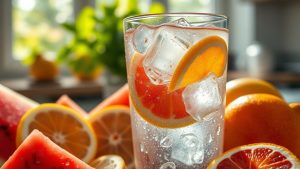
- Watermelon: Blend into smoothies for a revitalizing drink packed with vitamins A and C.
- Strawberries: Snack on them alone or mix with cantaloupe for a hydrating fruit salad.
- Spinach: Add to wraps or salads for hydration plus essential nutrients like iron and magnesium.
Monitor Individual Hydration Needs
As you aim to maintain ideal hydration, monitoring your individual needs becomes essential.
Start with urine-based methods, which provide a non-invasive way to track hydration through color and specific gravity. A urine specific gravity above 1.020 suggests mild dehydration.
You can also keep an eye on daily body weight fluctuations; losing 1-3% of your body weight typically indicates dehydration.
For a more detailed assessment, evaluate plasma markers, though they require lab testing. Emerging methods like salivary osmolarity show promise for real-time hydration monitoring without invasive procedures.
Remember, it’s important to take into account individual factors like diet, exercise, and environmental conditions when interpreting these markers.
Monitoring your hydration accurately will help you stay at your best.
Listen to Thirst Cues During Exercise
How can you effectively listen to your thirst cues during exercise? Understanding your body’s signals is essential for staying hydrated. Here are four tips to help you tune in:
- Monitor your thirst: Pay attention to when you feel thirsty; it’s your body’s way of signaling a need for fluids.
- Hydrate proactively: Don’t wait until you’re parched, especially during intense sessions—plan to drink before you feel thirsty.
- Adjust for conditions: In hot environments or during prolonged activities, increase your fluid intake, as thirst may lag behind.
- Recognize individual differences: Understand that your thirst sensitivity varies; some might need to drink more frequently to maintain hydration.
Listening to your thirst cues can enhance performance, so stay attentive!
Assess Hydration With Body Weight Tracking
While staying hydrated is essential for overall health and performance, tracking your body weight can offer valuable insights into your hydration status. Changes in your weight reflect fluid loss or gain, making regular measurements a simple and effective way to monitor hydration.
Weigh yourself before and after exercise to determine fluid lost through sweat and respiration. A drop in weight indicates a need for rehydration, while increases show successful fluid replacement. Aim to weigh yourself consistently under controlled conditions, like first thing in the morning post-void, to establish an accurate baseline.
Combine this method with urine assessments for a thorough view of your hydration, ensuring you optimize your fluid intake effectively.
Conclusion
Staying hydrated doesn’t have to be a struggle; with these effective strategies, you can quench your thirst in no time. By using electrolyte solutions and hydrating foods, you’ll not only feel better but also boost your performance. Remember, listening to your body is key—it’s your lifeline guiding you. So next time you feel that tug of thirst, act swiftly; your well-being depends on it. Embrace these methods, and make hydration a priority in your life!