How to Recycle Plastic Bottles Properly Step-by-Step
Welcome to your ultimate guide on recycling plastic bottles properly; discover the essential steps that can make a significant impact on our environment.

To recycle plastic bottles properly, start by checking for the recycling symbol and sorting them by type to avoid contamination. Clean bottles by rinsing out any residue and draining leftover liquids. Place them in designated recycling bins for collection. At recycling facilities, they’ll undergo washing, grinding, and sorting into flakes and pellets. Finally, guarantee you’re aware of local guidelines for what’s acceptable to recycle. Keep going to discover the complete recycling process and its benefits.
How to Recycle Plastic Bottles Properly
When you recycle plastic bottles, you’re not just cutting down on waste; you’re actively contributing to a sustainable future. However, to guarantee your efforts yield the best results, it’s crucial to understand the proper steps involved in recycling. In this process, sorting your plastic bottles correctly is the key to success. Each bottle features a triangular recycling symbol at the bottom, which indicates its material composition. It’s important to keep different plastic types separate, as mixing non-recyclable plastics can compromise entire batches. Focus on isolating PET (polyethylene terephthalate) bottles because they mustn’t mix with other plastic types to avoid contamination during processing. Proper identification ensures efficient recycling processes. Efficient collection and proper arrangement of waste bins in accessible locations is crucial for successful recycling initiatives.
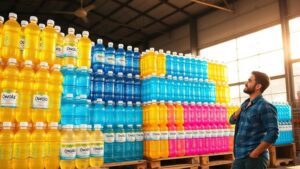
Once you’ve sorted your bottles, place them in designated recycling bins at collection points. Local waste management vendors will collect them from neighborhoods and public spaces using specialized trucks that transport these materials to recycling centers. To improve transportation efficiency, collection methods often involve consolidating bottles, sometimes even compressing them into bricks for ease of movement and reduction of volume.
Upon arrival at the facility, discarded bottles undergo pre-washing and initial cleaning. Through conveyor belt systems, bottles are conveyed to barrel-shaped cleaning devices, where tumbling drum washing machines immerse them in water to remove surface debris. It’s important to confirm that any leftover liquids inside the bottles are drained; even small amounts can degrade the quality of the recycled material. An effective initial rinse eliminates food residues and contaminants before the bottles are compressed further.
Next, screw compactors will drain and compress the bottles while squeezing out any residual liquid. This crushing process minimizes volume, making it easier to transport the plastics to processing plants. Then, rolling blades work to convert the compressed blocks into smaller pieces, while grinding machines transform the bottles into flakes suitable for recycling. This step is significant since it also releases unwanted liquids that could affect the plastic’s quality.
The plastic flakes then undergo advanced washing and separation through large water tanks. Buoyancy separation sorts these flakes by their density. Lighter impurities, such as PVC and label fragments, float to the surface, while heavier plastic flakes sink for collection. This agitation removes tiny label fragments and bottle cap residues, guaranteeing a cleaner product for secondary washing, which eliminates metals, adhesives, and any non-PET contaminants.
The dried plastic flakes must reach ideal moisture levels before they can be remanufactured. Grinding equipment then breaks these washed flakes into smaller fragments, making them suitable for melting. As the melted plastic flows, it’s cut into uniform pellets. Material sorting machines organize the resulting pellets by polymer type and color consistency.
Finally, to make recycled PET food-approved for beverage packaging, a nitrogen decontamination treatment is employed. Following these steps guarantees that your efforts in recycling plastic bottles truly contribute to creating new products and maintaining a cleaner environment. So, the next time you reach for that plastic bottle, remember: every step matters in this important process.
Conclusion
Recycling plastic bottles isn’t just a chore; it’s a simple way to make a big impact on our planet. You might think it takes too much time, but trust me, once you get into the habit, it becomes second nature. Plus, every bottle you recycle helps conserve resources and reduce landfill waste. So, grab those bottles and show your commitment to a cleaner environment—starting today! Together, we can keep our planet healthier for future generations.