Can You Drink Rain Water Safely?
Sipping rainwater might seem tempting, but can it’s safety truly be guaranteed? Discover the essential steps to ensure your health.
Drinking rainwater isn’t safe without proper treatment due to harmful contaminants. Microbiological pollutants like bacteria and viruses can enter from animal waste, while heavy metals, organic chemicals, and PFAS also pose health risks. These contaminants can lead to gastrointestinal issues and long-term health problems. Effective filtration methods, such as UV disinfection and activated carbon filters, are essential for making rainwater potable. To fully understand the steps needed for safe consumption, further exploration is beneficial.
The Contaminants Found in Rainwater
Rainwater, though often viewed as a clean resource, can harbor a range of contaminants that pose health risks. Microbiological contaminants, including bacteria, viruses, and parasites, typically enter through animal feces on roofs, leading to pathogens like E. coli and Salmonella.
Heavy metals, such as lead and cadmium, often leach from materials like roofing and gutters, especially under acid rain conditions. You might also find organic chemicals, including volatile compounds from paints and pesticides, contaminating rainwater, particularly in urban areas.
Additionally, PFAS, known as forever chemicals, infiltrate rainwater globally. Research indicates rainwater is contaminated with PFAS, surpassing health guidelines. These pollutants require effective filtration systems, such as UV treatment and activated carbon, to mitigate risks and guarantee safe consumption.
Understanding these contaminants is essential for evaluating rainwater safety.
Health Risks of Consuming Untreated Rainwater
While it may seem harmless, consuming untreated rainwater can expose you to various health risks. Bacterial pathogens like Salmonella and Campylobacter can trigger severe gastrointestinal issues, including diarrhea and vomiting. Additionally, consuming contaminated rainwater may lead to bacterial pneumonia and infections from viruses or parasites like giardia. The presence of toxic chemicals such as PFAS, heavy metals, and microplastics only compounds these risks, potentially causing cancer and hormone disruption. Chronic exposure could yield long-term health consequences, particularly for vulnerable populations like children and the elderly. Communities relying solely on untreated rainwater face heightened risks from waterborne diseases. Given these dangers, it’s essential to evaluate the safety of your water before drinking, especially since contaminants like PFAS (Forever Chemicals) have been detected globally in rainwater sources.
Effective Treatment and Filtration Methods
To guarantee the safe consumption of rainwater, it’s crucial to implement effective treatment and filtration methods that address potential contaminants.
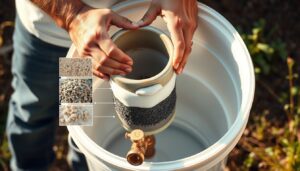
Start with pre-filtration to remove large debris, protecting downstream filters. Cartridge filters can eliminate sediment and bacteria, while activated carbon filters improve taste and reduce chemicals.
For enhanced purification, consider ultrafiltration membranes to remove viruses along with other contaminants.
Utilize a first flush diverter to discard initial runoff, minimizing harmful substances. Incorporating UV disinfection can neutralize pathogens effectively without chemical alterations.
Finally, consider biological sand filtration for low-maintenance purification. By combining these techniques, you’ll secure both efficiency and safety in transforming rainwater into potable quality.
Conclusion
Ultimately, while collecting rainwater can be an eco-friendly option, its safety hinges on proper treatment and filtration. Without adequate precautions, you expose yourself to contaminants that can pose serious health risks. Why take chances with your health when effective methods exist to purify this natural resource? By investing time and resources into treating rainwater, you can enjoy its benefits safely and sustainably, ensuring that every drop is worth it.