What Does Pomegranate Taste Like?
Incredibly refreshing and bursting with sweet-tart flavors, pomegranates offer a unique taste experience that leaves you wondering how to enjoy them in your dishes.
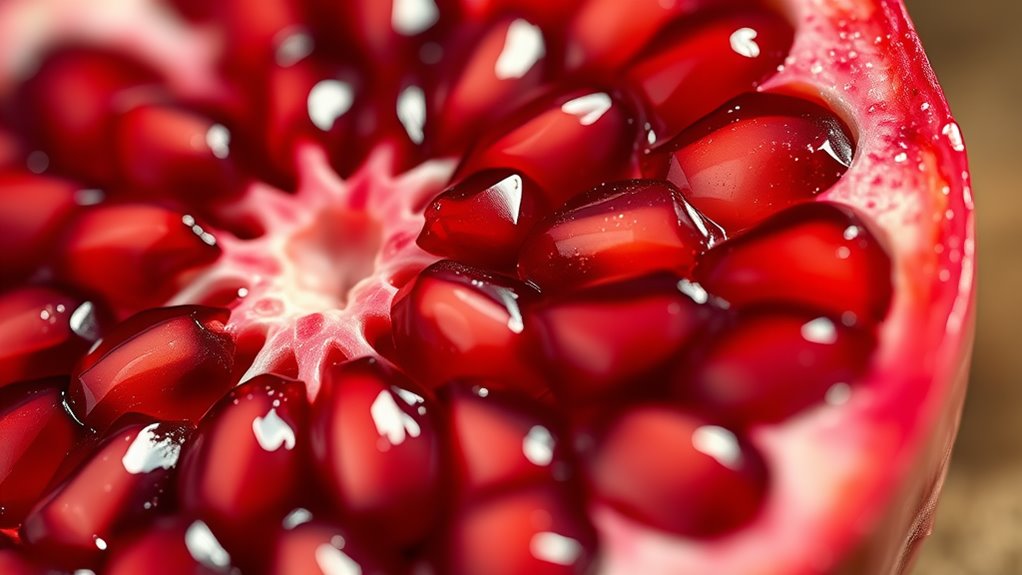
Pomegranates burst with a lively balance of sweetness and tartness that dances on your taste buds. As you bite into the juicy arils, you’ll experience a revitalizing explosion of flavors, evolving with the fruit’s ripeness. The crunchy seeds inside add a delightful contrast, while the aromatic profile enhances your enjoyment. Each juicy morsel brings something unique, making every bite a memorable journey. If you’re curious about how to use this vibrant fruit in your kitchen, there’s more to discover!
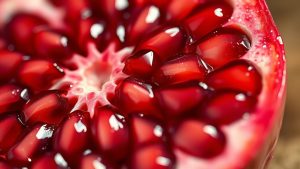
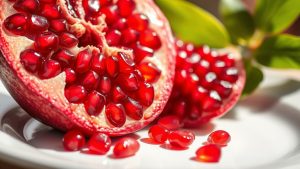
When you bite into a pomegranate aril, you’re in for a delightful explosion of flavors that dance on your palate. This unique fruit delivers an enticing blend of sweetness and tartness, primarily from natural sugars like glucose and fructose mingling with organic acids such as citric and malic acids. The sweetness is juicy, just enough to entice, while the tartness provides a bright kick that keeps your taste buds engaged. Depending on the variety and ripeness, this tartness can range from subtle to pronounced, creating an invigorating experience that feels both rejuvenating and satisfying.
As you savor the pomegranate’s essence, the complex interplay of flavors becomes apparent. You’ll notice how the sweet and tart notes balance beautifully, creating a nuanced experience that feels more sophisticated than many other fruits. The flavor doesn’t stay static; it evolves dynamically depending on the fruit’s ripening stage and even what happens after it’s harvested. Once it’s past its prime, you might notice a shift in that delightful sugar-acid balance, altering how the sweetness and acidity are perceived. It’s an adventure for your senses, as each aril holds its own distinct character.
The texture adds another layer to this multi-faceted experience. The seeds inside the gleaming arils can be hard, delivering a slight crunch that contrasts sharply with the juicy sweetness bursting around them. This mouthfeel is enhanced by a hint of astringency, a dry, puckering sensation that’s caused mainly by tannins found in the fruit’s white pith. This astringency, while it might catch you off guard, contributes complexity to the flavor, distinguishing pomegranate from many other fruits. In fact, it enables the fruit to pair well with tannic beverages like tea, wine, and coffee, harmoniously blending and masking off-notes.
The aromatic profile of pomegranates is equally compelling. It’s driven by a myriad of volatile compounds—alcohols, aldehydes, ketones, and terpenes—that yield a fragrant mix of fruity, floral, woody, earthy, and sweet notes. This aroma doesn’t just enhance the experience; it plays a pivotal role in flavor perception. Each whiff heightens the anticipation before your first bite and elevates the overall enjoyment of pomegranate, especially in culinary applications.
Speaking of culinary uses, pomegranates are incredibly versatile. Their sweet and tart flavor profile makes them an extraordinary ingredient for various dishes, and pomegranates thrive in Mediterranean regions contributes to their popularity and availability in many markets. Additionally, the unique flavor profile of pomegranates allows them to enhance both savory and sweet recipes seamlessly. In savory recipes, you’ll find their juice adding depth and brightness to meals, enhancing everything from Middle Eastern kibbeh to marinades and glazing fish.
For those with a sweet tooth, pair pomegranate with pecan or white chocolate for an enticing dessert. Whether it’s sweet or sour, pomegranate doesn’t just stand alone; it amplifies flavors, enriching both sweet and savory culinary creations, making every bite a memorable journey.
Conclusion
So, ever wondered what pomegranate actually tastes like? It’s a delightful mix of sweet and tangy, bursting with juicy seeds that dance on your palate. As you savor each bite, the tartness adds an intriguing twist, leaving you craving more. Some say it’s like a cross between a cherry and a citrus fruit. Next time you try one, pay close attention—could there be a hint of nostalgia in its flavor, reminiscent of summers long past?