5 Safe Drinks for Dogs to Enjoy Besides Water
Make your dog’s hydration exciting with five safe drink alternatives to water that they’ll love—discover these delightful options now!

Besides water, there are several safe drinks your dog can enjoy. Unsweetened coconut water is hydrating and full of potassium. Unsalted bone broth can aid in nutrient absorption. Consider offering goat's milk if your dog is lactose-intolerant. Fresh fruit-infused water with dog-safe fruits adds flavor and hydration. Finally, diluted pure fruit juices provide a tasty treat without too much sugar. These options not only hydrate but can also enhance your dog's diet. More exciting drink ideas await you!
What safe drinks can you offer your dog to keep them hydrated and healthy? While water should always be your dog's primary source of hydration, there are several safe and nutritious alternatives you can consider. These options not only help keep your canine companion hydrated but also provide additional vitamins and minerals.
Explore safe and nutritious drink alternatives for your dog to enhance hydration and overall health, while keeping water as the primary source.
Unsweetened coconut water is one option that can be beneficial. It's rich in potassium and vitamin C, which can support your dog's immune system and overall health. Just be certain to offer it in moderation, as its high potassium content mightn't be suitable for every dog.
Unsalted bone broth is another excellent choice, as it's packed with minerals that promote nutrient absorption. Whether homemade or store-bought, choose low-sodium varieties to avoid excessive salt intake.
If your dog is lactose intolerant, goat's milk can be a safer alternative to cow's milk. Many dogs tolerate it better, and it offers beneficial nutrients. Remember to introduce it gradually to see how your dog reacts.
Pure fruit juices, such as freshly squeezed apple or carrot juice, can also be invigorating options. Be cautious, though; always dilute them with water to reduce sugar intake.
For those moments when your dog needs rehydration after play or exercise, consider Pedialyte. This electrolyte solution can aid in rapid rehydration, but you should stick to unflavored varieties.
If you're looking for a treat, nut milk, like almond or cashew milk, can be a safe option when given in small amounts. Just verify it doesn't contain any added sugars or harmful ingredients.
Kefir is a fermented milk product that provides probiotics, benefiting your dog's digestive health. Probiotic-rich drinks can also support gut health, so look for options that contain live cultures.
During hot weather or after exercise, proper hydration is essential to help replenish lost fluids.
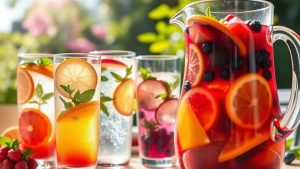
You can also get creative with fruity treats. Fresh fruit infusions using dog-safe fruits like apples, cucumbers, or watermelon can be a delightful way to hydrate your pet.
Fresh vegetable juices made from carrots, broccoli, or cucumbers are also nutritious and hydrating. If you want to make it fun, consider freezing fruits like apples or blueberries to create a cool treat for warm days.
Avoid toxic substances at all costs. Drinks containing caffeine, alcohol, or chocolate are highly toxic to dogs and should never be given.
Grape juice is particularly harmful, as it can lead to kidney damage. Always steer clear of artificial sweeteners, especially xylitol, which is dangerous for dogs.
Finally, it's essential to consult your veterinarian before introducing any new drinks into your dog's diet. Watch for any adverse reactions, such as vomiting or diarrhea, and introduce new options gradually.
While these alternatives can be enjoyable, water must always remain the main hydration source for your dog.
Conclusion
To sum up, providing your dog with safe drinks beyond water can enhance their hydration and enjoyment. Whether it's low-sodium bone broth, coconut water, herbal teas, diluted fruit juices, or specially formulated pet drinks, each option offers unique benefits. By diversifying their beverage choices, you're not only keeping them hydrated but also enriching their daily routine. Always remember to introduce new drinks gradually and consult your veterinarian, ensuring your furry friend stays both happy and healthy.