Do Blue Tulips Exist in Nature?
For those wondering if true blue tulips exist in nature, the surprising truth may leave you questioning what colors truly mean.

True blue tulips don’t exist in nature due to genetic limitations. Their structure lacks the pigmentation necessary for true blue hues, primarily producing red via anthocyanins. Breeding efforts have resulted in various vibrant colors, but even marketed “blue” tulips are often shades of lavender or purple, sometimes dyed for temporary effects. Despite ongoing research and cross-breeding efforts, a genuine blue tulip remains unattainable. Discover more about their intriguing history and cultural significance.
While you might dream of a garden filled with blue tulips, the reality is that true blue tulips simply don’t exist due to inherent genetic limitations. Tulips lack the genetic makeup required for natural blue pigmentation. This absence arises because the primary pigment responsible for blue in many flowers, anthocyanin, mainly produces red hues in tulips. The peculiar genetic structure of tulips means they can’t produce blue pigments naturally. The complexity of co-pigmentation, a chemical process necessary for true blue coloration, doesn’t occur in tulips, which makes the quest for a naturally occurring blue variety a overwhelming challenge.
Centuries of breeding efforts have yielded an array of vibrant hues, including red, pink, purple, yellow, white, and orange, but none has succeeded in producing true blue. Fascinatingly, while the natural color spectrum in tulips excludes true blue wavelengths, some existing varieties can appear bluish under specific lighting conditions. For instance, purple-toned tulips may display bluish undertones, particularly during twilight or early morning, creating an illusion of color variation.
Despite extensive breeding, true blue tulips remain elusive, with some varieties only hinting at blue under specific lighting.
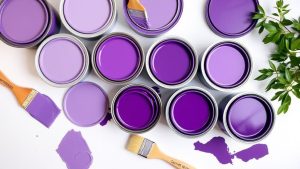
Current commercially available tulip cultivars which are closest to blue include ‘Alibi,’ which has a slight lilac touch, and ‘Blue Wow,’ showcasing grape and deep purple-blue elements. The ‘Blue Parrot’ tulip, known for its mostly lilac petals with cornflower streaks, and ‘Cummins,’ identified as a fringed group tulip with a royal lavender blue color, also exemplify the boundaries of blue approximation. However, it’s essential to recognize that nearly all marketed “blue tulips” are variations of lavender, lilac, or purple cultivars.
When considering artificial coloring methods, most tulips labeled as blue are dyed after cultivation. This technique grants them a temporary true blue appearance, but the coloring typically fades over time, especially after the initial bloom period. Chemical treatments can alter the appearance of naturally purple-toned flowers, achieving a fleeting blue that their genetic structure can’t sustain. Consequently, while dyed tulips can satisfy the aesthetic desire for blue, they ultimately lack permanence and authenticity.
Scientific research and breeding attempts remain ongoing, with horticulturists exploring cross-breeding with species like delphiniums and irises in hopes of achieving their coveted blue. Despite these efforts, the consensus among experts confirms that the dream of a true blue tulip remains unfulfilled. Interestingly, the pursuit of blue tulip symbolism extends beyond horticulture, as it reflects a deeper cultural fascination with the mythical blue tulip that transcends its botanical reality.
Lighting conditions considerably affect perception as well. Under full sun exposure, some purple-toned tulips exhibit a more pronounced blue character, consuming lighter shades with the brilliance of direct light. Dappled sunlight can further enhance these effects, but it’s worth noting that the perceived color can vary based on the time of day, making something close to blue equally elusive. In fact, less than 10% of 300,000 plant species produce blue flowers naturally, illustrating the rarity of such a phenomenon.
The legend of blue tulips continues to inspire cultural references and horticultural innovation, reminding us of the enduring allure of nature’s palette.
Conclusion
In nature, true blue tulips don’t exist, as their genetic makeup limits them to shades of purple and white. Yet, through hybridization and selective breeding, you might stumble upon tulips that appear blue in certain lighting, hinting at a fascinating coincidence of perception and plant biology. So, while you won’t find a naturally occurring blue tulip in the wild, the pursuit of one has led to stunning innovations in horticulture that might just surprise you in your garden.