How to Identify Real vs. Fake Blue Watermelon Photos Online
We’ll reveal key tips to distinguish authentic blue watermelon photos from digital fakes, but can you spot the telltale signs before it’s too late?

To spot real vs. fake blue watermelon photos, check for odd colors; genuine flesh is red, yellow, or orange—perfect turquoise shades scream digital trickery. Look closely at reflections and shadows for mismatched hues or unnatural lighting. Investigate the source; sellers of blue watermelons often lack credibility and provide exaggerated claims. Use reverse image searches to trace origins. By staying vigilant, you’ll uncover the truth behind these fascinating images and sharpen your ability to identify fakes.
Have you ever stumbled upon a striking image of a blue watermelon and wondered if it’s the next big thing in fruit? You’re not alone; countless social media users have fallen victim to the allure of images featuring vibrant turquoise or electric blue watermelon flesh, only to discover it’s all smoke and mirrors.
To sift through the baubles and find authenticity, you need to be equipped with a few keen observational skills to identify signs of digital manipulation.
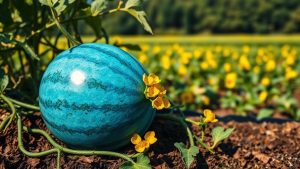
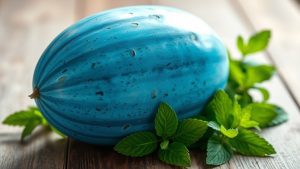
First off, let’s talk color consistency. Genuine photos of watermelon display a range of flesh colors, including red, yellow, and orange. If you come across a perfectly turquoise watermelon, be wary. The flesh should have a uniform shade, but if it looks oddly vibrant or outlandish, it’s probably fake. Look closely; manipulative images often feature a blue tint throughout the entire frame, making you question the fruit’s authenticity. A real watermelon’s flesh will never resemble the color of the blue sky, and when in doubt, remember that there’s no known natural or genetically modified watermelon variant with blue flesh.
While browsing, pay attention to reflections and shadows. Genuine images typically reveal reflections from surfaces—like countertops or knives—that hint at the authentic red hue. Zooming in on the edges can reveal traces of the original red color. If you spot peculiar lighting inconsistencies or shadows that seem unnatural, consider these red flags. Water droplets or highlights on the surface should correspond with the watermelon’s color. If you see blue droplets or odd lighting that doesn’t match the supposed color, it’s time to take a step back.
Let’s not ignore the source of those images. If you find a picture that raises your suspicions, check for credible sources. Photos of blue watermelons frequently pop up on seed-selling websites using stock images rather than genuine product photos. Authentic listings usually provide detailed growing information or customer reviews. If the seller lacks substantial credentials or presents exaggerated claims about the watermelon’s rarity or taste, it’s prudent to exercise skepticism.
The origins of the blue watermelon hoax are fascinating in their own right; it feels as if this fiction has taken a life of its own. Many unsettlingly attractive images can be traced back to manipulated edits attributed to Japan or China. Hoax names like “Moonmelon” have even been tossed around, stirring intrigue and spreading misinformation. The enduring belief in the hoax is fueled by the cultural perception of melons in Japan as prestigious and desired.
Expert opinions are clear: botanists and agricultural specialists unanimously confirm that blue watermelons simply don’t exist. This isn’t a quirky anomaly—it’s a thorough fabrication.
To verify authenticity effectively, you can employ a reverse image search engine. This can lead you back to the original source, cutting through the layers of digital deception. Just because an image captures attention doesn’t mean it’s genuine; verify it before you let curiosity get the best of you.
Ultimately, staying informed and critical helps you navigate the colorful but deceptive world of blue watermelons.
Conclusion
So, while you might be tempted to believe every jaw-dropping blue watermelon photo online, remember: not everything is what it seems. Sure, those vibrant hues are visually stunning, but taking a moment to scrutinize the source can save you from falling for a clever digital trick. Blue watermelons don’t exist in nature, and realizing that allows you to appreciate the marvels of real produce instead. Enjoy the unique varieties out there, but stay grounded in reality!